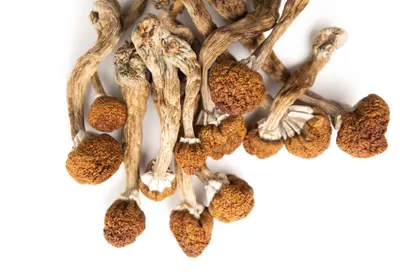
British Psilocybin mushrooms, commonly known as magic mushrooms, are fungi that contain the psychoactive compounds psilocybin and psilocin. In the UK, several species of psilocybin mushrooms are found in the wild, and they have gained attention for their potential therapeutic effects and recreational use. Here’s an overview of the most common British psilocybin mushrooms.
1. Common Species
- Psilocybe semilanceata (Liberty Caps):
- Description: One of the most common and well-known psilocybin mushrooms in the UK. They have a distinctive conical cap that can vary in color from light brown to yellowish.
- Habitat: Typically found in grassy fields, especially those grazed by livestock, particularly in late summer to autumn.
- Potency: Known for being quite potent, with a higher psilocybin content compared to some other species.
- Psilocybe cyanescens (Wavy Caps):
- Description: Characterized by their wavy caps and blue bruising when handled. They tend to be more robust than Liberty Caps.
- Habitat: Commonly found in wood chips, mulch, and urban areas, especially in damp environments.
- Potency: Generally considered to be very potent, similar to or stronger than Liberty Caps.
- Psilocybe cubensis:
- Description: Although not native to the UK, this species is often cultivated due to its popularity. It has a thick stem and a large cap that can range from light brown to golden.
- Habitat: Typically found in tropical and subtropical regions, but its spores are widely available for cultivation.
- Potency: Known for its high potency, making it a favorite among users.
2. Legal Status
- Class A Drugs: In the UK, psilocybin and psilocin are classified as Class A drugs under the Misuse of Drugs Act 1971. This means that possession, distribution, and cultivation of psilocybin mushrooms are illegal and can result in severe penalties.
- Spore Legality: While the mushrooms themselves are illegal, psilocybin mushroom spores are often sold legally for mycological study, as they do not contain psilocybin until cultivated.
3. Safety and Considerations
- Identification:
- Proper identification is crucial when foraging for psilocybin mushrooms, as many edible and toxic species can resemble them. Misidentification can lead to severe health risks.
- Dosage:
- Dosage can vary significantly between species and individual mushrooms. Beginners should start with a low dose (1–2 grams of dried mushrooms) to gauge their sensitivity.
- Set and Setting:
- The environment in which psilocybin mushrooms are consumed greatly influences the experience. A safe, comfortable setting with trusted companions is recommended.
- Mental Health:
- Individuals with a history of mental health issues should approach psilocybin mushrooms with caution, as intense experiences can lead to anxiety or overwhelming feelings.
Conclusion
British psilocybin mushrooms, particularly species like Psilocybe semilanceata and Psilocybe cyanescens, are notable for their psychoactive properties and cultural significance. Understanding their characteristics, legal status, and safety considerations is essential for anyone interested in exploring their use. Always prioritize informed decision-making and safety when engaging with psilocybin mushrooms.