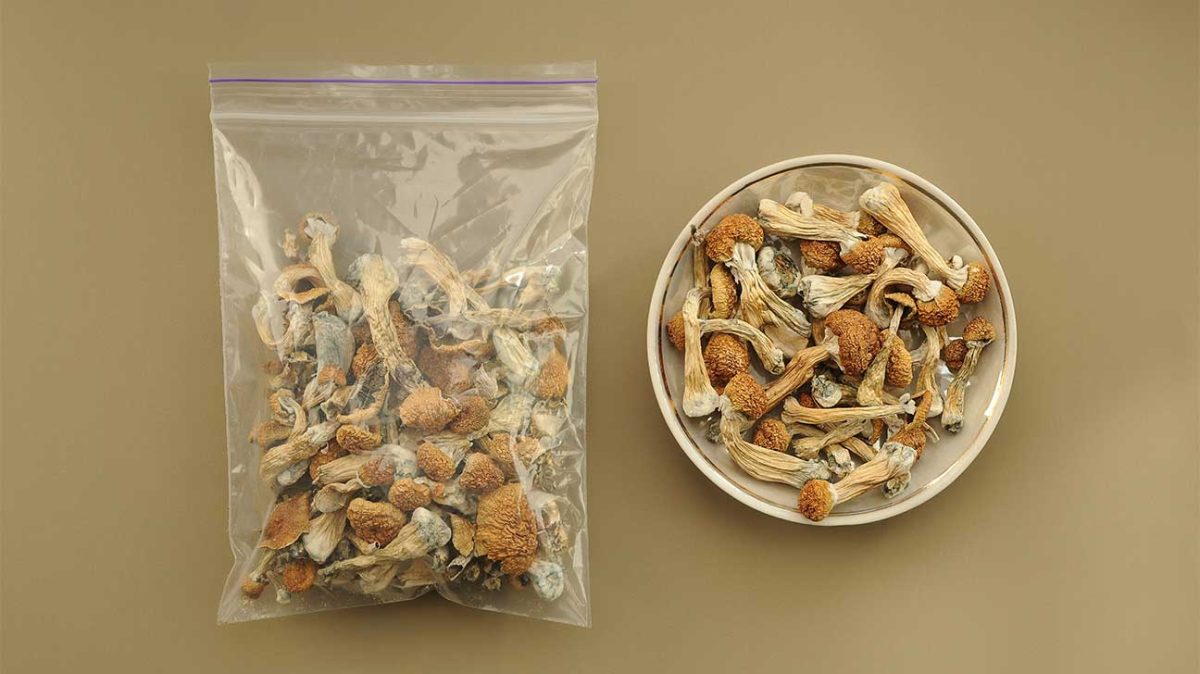
Liberty Caps (Psilocybe semilanceata) are a species of psilocybin-containing mushroom found in the UK. They are one of the most commonly foraged wild psilocybin mushrooms in Britain. Here’s a comprehensive overview of liberty caps identification, legal status, and associated risks.
1. Identification and Characteristics
Appearance:
- Cap: Small, bell-shaped or conical cap, typically 0.5–1.5 cm in diameter. The name “semilanceata” refers to the lance-like or pointed shape.
- Color: Varies from pale tan or cream to golden-brown when moist; lighter when dry.
- Distinctive Feature: The caps often have a characteristic wavy or undulating margin and a small nipple-like protrusion (umbo) at the center.
- Bruising: The flesh and gills may bruise slightly blue when handled, though this is less pronounced than in Psilocybe cyanescens (Wavy Caps).
Habitat in the UK:
- Found in grasslands, meadows, and pastures, particularly in areas with rich soil and high moisture.
- Prefer areas with livestock grazing or disturbed grass.
- Season: Late August to November, with peak fruiting in September and October.
- Geographic Distribution: Found throughout the UK, particularly in Scotland, Wales, and northern England.
Size and Potency:
- Very small mushrooms, often only 1–2 cm tall.
- Moderate Potency: Psilocybe semilanceata is considered moderately potent compared to other species. Potency varies significantly based on growing conditions, age, and individual mushrooms.
2. Legal Status in the UK
Class A Classification:
- Under the Misuse of Drugs Act 1971, Psilocybe semilanceata is classified as a Class A controlled substance because it contains psilocybin and psilocin.
- Possession is illegal, regardless of whether the mushrooms are foraged or purchased.
Criminal Penalties:
- Possession: Up to 7 years imprisonment and/or unlimited fine.
- Supply/Distribution: Up to life imprisonment and/or unlimited fine.
- Permanent Criminal Record: A conviction affects employment, housing, travel, and education opportunities.
Foraging and the Law:
- While picking wild mushrooms is not inherently illegal, picking Psilocybe semilanceata with the intent to consume constitutes possession of a Class A drug.
- This applies even if the mushrooms are growing on public land or your own property.
- Law enforcement can prosecute based on possession alone; intent to consume is presumed if you are found with these mushrooms.
3. Critical Safety Risks
A. Misidentification (The Most Serious Risk)
This is the single greatest danger associated with foraging for Liberty Caps.
Toxic Look-Alikes: Several non-psychoactive and potentially toxic mushroom species grow in similar habitats and can be easily confused with Psilocybe semilanceata:
- Mycena species (e.g., Mycena galericulata, Mycena alcalina): Small, bell-shaped caps similar to Liberty Caps. While not necessarily toxic, they are not psychoactive and consuming them is pointless.
- Coprinellus species: Small, fragile mushrooms that may resemble Liberty Caps. Some species contain coprine, which can cause adverse reactions when combined with alcohol.
- Galerina marginata (Funeral Bell): A deadly look-alike that contains amatoxins, which are lethal. Even consuming a small amount can cause irreversible liver and kidney failure, often resulting in death.
- Conocybe species: Small, brown mushrooms that may resemble Liberty Caps but are not psychoactive.
Why Misidentification is Catastrophic:
- There is no margin for error. Consuming a toxic species can cause organ failure or death.
- Even experienced foragers can make mistakes, especially with small, delicate mushrooms.
- Amatoxin poisoning from Galerina marginata has a high mortality rate and causes prolonged suffering.
B. Inconsistent Potency
- Because Liberty Caps are wild-growing, their psilocybin content varies dramatically based on:
- Growing conditions (soil, moisture, temperature)
- Age of the mushroom (younger mushrooms have lower potency)
- Individual variation
- It is impossible to accurately dose foraged mushrooms, increasing the risk of an unexpectedly high dose or overwhelming psychological effects.
C. Environmental Contamination
- Mushrooms growing in grasslands may have been exposed to:
- Pesticides and herbicides (particularly in agricultural areas)
- Animal feces and pathogens
- Heavy metals from soil
- Parasites
D. Psychological and Physical Health Risks
- Mental Health Vulnerability: Individuals with a history of depression, anxiety, schizophrenia, or bipolar disorder face a significantly elevated risk of triggering severe psychological distress or psychosis.
- Serotonin Syndrome: If combined with SSRIs, MAOIs, or other serotonergic medications, psilocybin can trigger a potentially life-threatening condition.
- Cardiovascular Effects: Psilocybin can elevate heart rate and blood pressure, which may be dangerous for individuals with underlying cardiovascular conditions.
- Bad Trip: Unpredictable potency increases the likelihood of an overwhelming, traumatic experience.
4. Harm Reduction Practices (If Foraging Occurs)
While I cannot recommend the use of illegal substances, if someone chooses to forage for Liberty Caps despite the legal and health risks, harm reduction practices include:
Identification:
- Do not forage unless you are an expert mycologist with years of specialized training in mushroom identification.
- Use multiple reliable field guides (e.g., “Psilocybin Mushrooms of the World” by Paul Stamets, though note that possession of such guides could be interpreted as intent).
- Consult with experienced foragers or mycological societies (though be aware that discussing psilocybin use may have legal implications).
- When in doubt, do not consume. If you cannot identify a mushroom with absolute certainty, discard it.
Preparation:
- Consume only in a safe, comfortable environment with trusted, sober companions.
- Avoid consumption if you have any history of mental health conditions.
- Check for potential interactions with medications or supplements.
- Start with a very low dose to assess individual response and potency.
- Do not mix with alcohol, other drugs, or medications.
Emergency Preparedness:
- Have emergency contact information readily available (999 in the UK).
- Know the symptoms of amatoxin poisoning (see below).
5. Amatoxin Poisoning: Medical Emergency
If someone has consumed a mushroom suspected to contain amatoxins (e.g., Galerina marginata), seek emergency medical attention immediately. Do not wait for symptoms to develop.
Early Symptoms (6–24 hours after consumption):
- Severe nausea, vomiting, and abdominal pain
- Diarrhea
- Dehydration
Latent Period (24–72 hours):
- Symptoms may temporarily improve, creating a false sense of recovery.
- This is extremely dangerous. Organ damage is occurring even though symptoms have subsided.
Late Symptoms (3–7 days):
- Jaundice (yellowing of skin and eyes)
- Dark urine
- Pale stools
- Abdominal pain
- Confusion or altered mental state
- Organ failure (liver, kidneys)
- Death
Medical Management:
- There is no antidote for amatoxin poisoning.
- Treatment is supportive and may include activated charcoal, aggressive fluid replacement, and liver transplantation in severe cases.
- Early medical intervention significantly improves survival rates.
Call 999 immediately if amatoxin poisoning is suspected.
6. Psychological Emergency Signs
Seek emergency medical attention immediately if experiencing:
- Severe anxiety, panic, or paranoia
- Uncontrollable or threatening hallucinations
- Rapid or irregular heartbeat
- Chest pain or difficulty breathing
- Suicidal or self-harm thoughts
- Seizures or loss of consciousness
Call 999 immediately.
7. Legal and Ethical Disclaimers
- I cannot provide: Specific foraging locations, detailed identification guides, or advice on how to avoid law enforcement detection.
- Educational Purpose Only: This information is provided for educational and harm-reduction purposes.
- Legal Compliance: Foraging for, possessing, or consuming Psilocybe semilanceata in the UK is illegal and carries serious criminal penalties.
- Personal Responsibility: Any decisions regarding the use of controlled substances are your responsibility, and you should be fully aware of the legal and health consequences.
8. Why Professional Mycologists Don’t Recommend Foraging
Even experienced mycologists and harm reduction organizations strongly advise against foraging for psilocybin mushrooms:
- Misidentification Risk: The consequences of error are too severe.
- Inconsistent Potency: There is no way to accurately dose foraged mushrooms.
- Legal Consequences: The criminal penalties are severe and permanent.
- Better Alternatives: Clinical trials offer access to psilocybin under medical supervision with quality-controlled products.
Conclusion
Psilocybe semilanceata (Liberty Caps) are found throughout the UK and are frequently foraged.