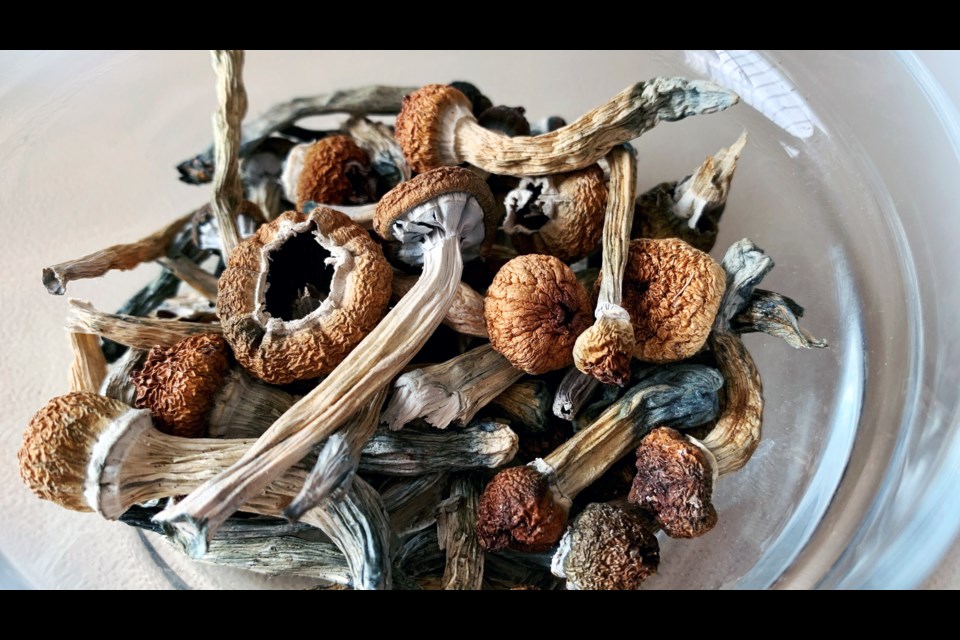
Order magic mushrooms are fungi that contain psychoactive compounds, primarily psilocybin and psilocin, producing profound psychedelic experiences. These naturally occurring substances have been used ceremonially for centuries and are now the subject of extensive scientific research into their therapeutic potential. This comprehensive guide covers everything you need to know about order magic mushrooms, including species, effects, safety, and the evolving research landscape.
What Are Magic Mushrooms?
Magic mushrooms refer to any mushroom species containing psilocybin, a naturally occurring psychedelic compound. When consumed, psilocybin is converted to psilocin in the body, producing hallucinogenic and consciousness-altering effects. These fungi have been used in spiritual and ceremonial contexts for thousands of years and are now recognized for their potential therapeutic applications.
Key Characteristics of Order Magic Mushrooms
- Psychoactive Compounds: Contain psilocybin (0.1-2% by dry weight) and psilocin
- Natural Origin: Occur naturally in temperate and tropical regions worldwide
- Hallucinogenic Effects: Produce visual, auditory, and sensory hallucinations
- Consciousness-Altering: Profound changes in perception, mood, and cognition
- Low Physical Toxicity: Extremely low risk of fatal overdose
- Psychological Intensity: Can produce intense emotional and spiritual experiences
Common Magic Mushroom Species
1. Psilocybe Semilanceata (Liberty Caps):
- Description: Small, conical to bell-shaped caps (5-25 mm) with pointed tips
- Habitat: Grassy fields, meadows, and pastures
- Geographic Range: Temperate regions worldwide
- Season: Late summer to early winter
- Potency: Highly potent; 1-3 grams typical dose
- Characteristics: Distinctive pointed cap, wavy margins, blue bruising
2. Psilocybe Cubensis (Golden Teacher, Blue Meanie):
- Description: Larger mushrooms with golden-brown caps and sturdy stems
- Habitat: Tropical and subtropical regions; cultivated indoors
- Potency: Moderate to high; 1-3 grams typical dose
- Cultivation: Popular for home cultivation due to robust growth
- Characteristics: Thick stems, golden coloration, reliable fruiting
3. Psilocybe Cyanescens (Wavy Caps):
- Description: Caramel to brown caps with distinctive wavy margins
- Habitat: Wood chips, mulch, and disturbed areas
- Season: Autumn to early winter
- Potency: Very high; requires lower doses (0.5-1.5 grams)
- Characteristics: Wavy cap margins, blue bruising, high psilocybin content
4. Psilocybe Azurescens:
- Description: Large, robust mushrooms with distinctive features
- Habitat: Wood chips and mulch in temperate regions
- Potency: Extremely high; requires very low doses
- Characteristics: Large fruiting bodies, intense blue bruising
5. Psilocybe Baeocystis:
- Description: Small, brown caps with distinctive features
- Habitat: Decaying wood and forest floors
- Potency: Moderate to high
- Characteristics: Small size, brown coloration, variable effects
6. Panaeolus Cyanescens (Blue Meanies):
- Description: Small, dark caps with distinctive features
- Habitat: Dung and disturbed areas in tropical/subtropical regions
- Potency: Extremely high; requires very low doses
- Characteristics: Small fruiting bodies, intense effects
How Magic Mushrooms Work
Mechanism of Action:
- Psilocybin Structure: Structurally similar to serotonin
- Receptor Binding: Binds to serotonin receptors in the brain
- Primary Target: 5-HT2A receptor is key to psychedelic effects
- Neural Changes: Increases neural connectivity and activity
- Neuroplasticity: Promotes formation of new neural connections
- Default Mode Network: Alters activity in brain’s default mode network
Neurobiological Effects:
- Enhanced brain connectivity
- Increased neuroplasticity
- Altered perception processing
- Enhanced emotional processing
- Reduced activity in default mode network
- Increased cross-talk between brain regions
Effects of Magic Mushrooms
Onset and Duration:
- Onset: 20-60 minutes for raw mushrooms; 30-90 minutes for food/chocolate
- Come-Up: 30-60 minutes of gradually intensifying effects
- Peak Effects: 2-4 hours of maximum intensity
- Plateau: 1-2 hours of sustained peak effects
- Come-Down: 1-2 hours of gradually diminishing effects
- Total Duration: 4-6 hours typically
- Afterglow: Lingering positive effects for hours or days post-experience
Visual and Sensory Effects:
- Visual hallucinations ranging from subtle to intense
- Color enhancement and saturation
- Pattern recognition and geometric visuals
- Tracers and motion trails
- Auditory distortions or enhancements
- Altered perception of time and space
- Synesthesia (blending of senses)
- Enhanced tactile sensations
- Changes in depth perception
Emotional and Psychological Effects:
- Euphoria and mood elevation
- Emotional openness and vulnerability
- Enhanced empathy and compassion
- Profound introspection and self-reflection
- Sense of connectedness and unity consciousness
- Philosophical or existential insights
- Creative inspiration and problem-solving
- Spiritual or transcendent experiences
- Potential for challenging emotions or anxiety
- Ego dissolution or loss of self-boundaries
Physical Effects:
- Pupil dilation
- Increased heart rate and blood pressure
- Muscle relaxation or tension
- Possible nausea (particularly with raw mushrooms)
- Changes in appetite
- Increased sweating or chills
- Restlessness or sedation
- Changes in body temperature perception
- Tingling or numbness sensations
Dosage Guidelines for Magic Mushrooms
Standard Dosage Ranges:
- Threshold Dose: 0.5-1 gram (minimal effects)
- Light Dose: 1-1.5 grams (subtle effects, good for beginners)
- Moderate Dose: 1.5-2.5 grams (full psychedelic experience)
- Strong Dose: 2.5-3.5 grams (intense experience)
- Very Strong Dose: 3.5+ grams (overwhelming for most users)
Dosing Considerations:
- Body Weight: Heavier individuals may require higher doses
- Individual Sensitivity: Varies significantly between people
- Experience Level: Beginners should start lower
- Mushroom Species: Potency varies by species
- Stomach Contents: Food delays absorption
- Set and Setting: Psychological state affects experience
- Desired Intensity: Adjust based on goals
Beginner Dosing Protocol:
- Start with 1-1.5 grams
- Wait at least 90 minutes before assessing effects
- Avoid re-dosing on first attempt
- Have a trusted guide present
- Plan for a full day with no obligations
Consumption Methods
1. Direct Consumption:
- Eat dried mushrooms whole
- Chew thoroughly for better absorption
- Simple and straightforward
- Typical onset: 20-60 minutes
2. Mushroom Tea:
- Steep dried mushrooms in hot (not boiling) water
- Steep for 10-15 minutes
- Strain and drink
- Often reduces nausea
- Onset: 30-60 minutes
3. Chocolate or Food:
- Mix powdered mushrooms into chocolate or food
- Masks bitter taste
- Slows absorption slightly
- Onset: 30-90 minutes
4. Lemon Tek:
- Grind mushrooms into powder
- Mix with lemon juice
- Let sit for 15-20 minutes
- Consume mixture
- May intensify and shorten duration
5. Capsules:
- Grind dried mushrooms into powder
- Fill empty capsules
- Easy to dose and consume discreetly
- Onset: 30-60 minutes
6. Tinctures or Extracts:
- Alcohol-based extraction
- Concentrated psilocybin
- Precise dosing possible
- Faster absorption
Safety and Harm Reduction
1. Set and Setting:
- Consume in a safe, comfortable, familiar environment
- Minimize external stressors and distractions
- Surround yourself with trusted, supportive people
- Avoid driving or operating machinery
- Have a sober, experienced guide present
- Ensure access to water, food, and bathroom facilities
- Plan for minimal obligations during and after experience
2. Health Screening:
- Consult with a healthcare professional beforehand
- Disclose complete mental health history
- Avoid if you have a personal or family history of psychosis or schizophrenia
- Be cautious if taking medications (especially SSRIs or antipsychotics)
- Avoid if pregnant, nursing, or planning pregnancy
- Exercise extreme caution if you have heart conditions
- Monitor for any adverse psychological reactions
3. Accurate Identification:
- Use multiple reliable field guides
- Consult experienced mycologists
- Never consume mushrooms you’re unsure about
- Be aware of toxic look-alikes
- Take clear photographs for verification
- When in doubt, don’t consume
4. Dosing Safety:
- Start with lower doses than anticipated
- Wait at least 60-90 minutes before assessing effects
- Avoid re-dosing within the same experience
- Keep detailed records of dosage and effects
- Never increase dose without careful consideration
- Account for individual variation in sensitivity
5. Preparation and Integration:
- Eat a light meal 1-2 hours before consumption
- Stay well-hydrated throughout
- Avoid mixing with alcohol or other substances
- Plan for a full day with no obligations
- Reflect on your experience afterward
- Journal about insights and emotions
- Discuss experiences with trusted friends or therapists
- Allow adequate time between uses for integration
Potential Risks and Contraindications
Psychological Risks:
- Intense emotional experiences
- Anxiety or panic in susceptible individuals
- Triggering of underlying mental health conditions
- Difficult or challenging trips
- Potential for psychological dependence
- Flashbacks or persistent perceptual changes (rare)
Physical Risks:
- Low physical toxicity but not risk-free
- Possible nausea or gastrointestinal upset
- Increased heart rate (caution for those with heart conditions)
- Potential for accidents due to impaired coordination
- Rare allergic reactions
- Sleep disruption
Legal Risks:
- Illegal in most jurisdictions
- Criminal charges for possession or distribution
- Imprisonment and fines
- Employment consequences
- Educational or professional repercussions
- Social stigma and discrimination
Misidentification Risks:
- Toxic look-alikes can be fatal
- Requires expertise to identify correctly
- Consequences of misidentification are severe
- Always verify identification carefully
Research and Therapeutic Potential
Current Research Focus:
- Treatment-resistant depression
- End-of-life anxiety in terminal cancer patients
- PTSD and trauma
- Addiction and substance abuse
- Cluster headaches
- Obsessive-compulsive disorder (OCD)
- Anxiety disorders
- Addiction to alcohol and tobacco
Research Institutions:
- Johns Hopkins University (leading research)
- Imperial College London
- University of California, Berkeley
- New York University
- University of Basel
- Multiple universities worldwide
Key Research Findings:
- Single-dose studies showing long-term benefits
- Enhanced neuroplasticity and brain connectivity
- Therapeutic potential with professional support
- Relatively low toxicity profile
- Promising results for depression and anxiety
- Potential for treating addiction
- Spiritual and existential benefits
Clinical Trials:
- Ongoing trials in multiple countries
- Limited access to general public
- Typically restricted to specific patient populations
- Requires medical supervision and approval
- Expanding as legal barriers decrease
Legal Status of Order Magic Mushrooms
Global Overview:
- Illegal in Most Countries: Psilocybin is controlled in majority of jurisdictions
- Decriminalized in Some Regions: Portugal, parts of Netherlands, some US cities
- Legal for Research: Limited clinical trials in select locations
- Evolving Landscape: Legal status changing in many jurisdictions
Specific Jurisdictions:
- United States: Schedule I controlled substance (federal); some states/cities decriminalized
- United Kingdom: Class A drug; possession illegal
- Canada: Controlled substance; some therapeutic access emerging
- Netherlands: Unique legal gray area for certain products
- Portugal: Decriminalized all drugs; treatment-focused approach
- Australia: Illegal; limited research access
Distinguishing Magic Mushrooms from Look-Alikes
Critical Safety Information:
Toxic Look-Alikes:
- Coprinellus disseminatus: Similar appearance but non-psychoactive
- Mycena species: Small, delicate mushrooms; some toxic
- Parasola species: Resembles liberty caps but lacks psilocybin
- Galerina marginata: Deadly poisonous; similar size and appearance
- Conocybe species: Small brown mushrooms; some toxic
Key Identification Differences:
- Psilocybin mushrooms have blue bruising when handled
- Distinctive cap shapes vary by species
- Habitat and seasonality aid identification
- Spore prints help distinguish species
- Consult multiple field guides for verification
Storage and Preservation
Optimal Storage Conditions:
- Container: Airtight, opaque containers (glass preferred)
- Location: Cool, dark place away from light
- Temperature: 60-70°F (15-21°C) is ideal
- Humidity: Keep away from moisture and humidity
- Light: Protect from direct sunlight
- Duration: Properly stored, can last 6-12 months or longer
Signs of Degradation:
- Visible mold or discoloration
- Musty or off odors
- Loss of potency over time
- Moisture accumulation
FAQ: Order Magic Mushrooms
Q: Are magic mushrooms addictive? A: Psilocybin has low addiction potential. Psychological dependence is possible but less common than with other substances.
Q: Can you overdose on magic mushrooms? A: Physical toxicity is extremely low; fatal overdose is virtually impossible. Psychological distress from excessive doses is possible.
Q: How long do magic mushrooms stay in your system? A: Psilocybin is metabolized within 24-48 hours. Standard drug tests don’t detect psilocybin; specialized tests are required.
Q: Are magic mushrooms dangerous? A: Relatively safe physically but can trigger intense psychological experiences. Risk depends on individual factors, dosage, and setting.
Q: Can magic mushrooms cause permanent changes? A: Lasting psychological changes are possible but typically positive. Persistent perceptual changes are rare.
Q: What’s the difference between magic mushrooms and other psychedelics? A: Magic mushrooms contain psilocybin; other psychedelics include LSD, mescaline, and DMT. Effects are similar but distinct.
Conclusion
Order magic mushrooms represent a fascinating intersection of natural biology, human consciousness, and therapeutic potential. While they remain illegal in most jurisdictions, the scientific research landscape is rapidly evolving, with promising therapeutic applications emerging from rigorous clinical studies. The future of psilocybin in medicine and society may change significantly as research continues to demonstrate benefits and legal barriers decrease globally.