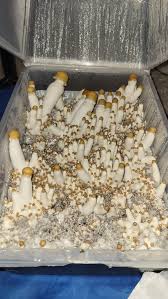
Liberty cap spores refer to the microscopic reproductive cells of Psilocybe semilanceata mushrooms, commonly known as liberty caps or magic mushrooms. These spores are the dormant, non-psychoactive form of the fungus that can be used for microscopy, cultivation research, or mycological study. This comprehensive guide covers everything you need to know about liberty cap spores, including what they are, their legal status, cultivation potential, acquisition, storage, and important legal and safety considerations.
What Are Liberty Cap Spores?
Liberty cap spores (Psilocybe semilanceata spores) are microscopic reproductive cells produced by mature liberty cap mushrooms. Spores are the fungal equivalent of seeds and represent the dormant, non-psychoactive stage of the organism. In their dormant state, spores contain no psilocybin and are technically non-psychoactive. However, when spores germinate and develop into mycelium and fruiting bodies, they produce psilocybin and become controlled substances.
Understanding Spores vs. Mushrooms
Key Differences:
Spores:
- Microscopic reproductive cells
- Non-psychoactive in dormant state
- No psilocybin content
- Technically legal in some jurisdictions
- Used for microscopy and research
- Cannot produce effects directly
- Require germination to develop into mushrooms
Mushrooms (Fruiting Bodies):
- Visible, macroscopic structures
- Contain psilocybin and psilocin
- Psychoactive compounds present
- Illegal in most jurisdictions
- Produce psychedelic effects
- Can be consumed directly
- Result from spore germination and mycelium development
Legal Status of Liberty Cap Spores
United Kingdom:
- Spore Legal Status: Technically legal in dormant state
- Possession: Spores alone are not illegal
- Intent to Cultivate: Possessing with intent to cultivate is illegal
- Cultivation: Growing psilocybin mushrooms is illegal
- Penalties: Criminal charges for cultivation or possession with intent
- Gray Area: Legal status depends on demonstrated intent
United States:
- Federal Status: Spores technically legal in dormant state
- State Laws: Vary significantly by jurisdiction
- Intent to Cultivate: Illegal if intent to cultivate is demonstrated
- Distribution: Selling spores with intent to cultivate is illegal
- Prosecution: Vendors often prosecuted under “intent” clauses
- Penalties: Criminal charges possible in many states
Canada:
- Legal Status: Spores technically legal
- Cultivation Intent: Illegal if intent to cultivate demonstrated
- Possession: Legal unless with intent to cultivate
- Distribution: Restricted; vendors face legal risks
- Penalties: Criminal charges possible
Global Status:
- Most Countries: Spores technically legal in dormant state
- Intent Laws: Most jurisdictions have “intent to cultivate” laws
- Practical Reality: Spore vendors often face legal challenges
- Evolving: Legal status continues to change globally
The Legal Gray Area
Why Spores Are in a Legal Gray Area:
- Spores are non-psychoactive in dormant state
- No controlled substances present in spores
- Spores have legitimate mycological uses
- Difficult to prove intent without additional evidence
- Many jurisdictions lack specific spore legislation
Intent to Cultivate Laws:
- Possession of spores + growing equipment = potential prosecution
- Possession of spores + substrate = potential prosecution
- Possession of spores + sterilization equipment = potential prosecution
- Spores alone may be legal without intent evidence
- Vendor statements about cultivation can be used as evidence
Practical Legal Considerations:
- Purchasing spores creates paper trail
- Vendor communications may be monitored
- Growing equipment purchases can trigger investigation
- Combination of items suggests cultivation intent
- Law enforcement may monitor spore vendor customers
Types of Liberty Cap Spore Products
1. Spore Syringes:
- Format: Spores suspended in sterile water in syringe
- Quantity: Typically 10-20 ml per syringe
- Concentration: Variable spore concentration
- Sterility: Should be sterile to prevent contamination
- Storage: Refrigerated storage recommended
- Use: Inoculation of substrate
- Legality: Gray area; depends on jurisdiction and intent
2. Spore Prints:
- Format: Spores deposited on paper or foil from mature mushroom
- Appearance: Dark purple-brown stain on substrate
- Quantity: Millions of spores per print
- Storage: Dry storage at room temperature
- Longevity: Can remain viable for years
- Use: Microscopy or spore syringe creation
- Legality: Often considered more legal than syringes
3. Spore Vials:
- Format: Spores in sterile liquid in sealed vial
- Quantity: Typically 10-20 ml
- Concentration: High concentration possible
- Sterility: Maintained in sealed vial
- Storage: Refrigerated storage recommended
- Use: Microscopy or inoculation
- Legality: Similar to spore syringes
4. Liquid Culture:
- Format: Mycelium fragments in nutrient liquid
- Stage: More advanced than spores; contains mycelium
- Legality: More legally risky than spores
- Use: Faster colonization than spores
- Risk: More obviously intended for cultivation
Legitimate Uses for Liberty Cap Spores
Microscopy and Scientific Study:
- Examination of spore morphology
- Identification of fungal species
- Educational purposes
- Research applications
- Mycological study
- Taxonomic classification
Mycological Research:
- Fungal genetics study
- Spore viability research
- Environmental mycology
- Ecological studies
- Fungal biodiversity research
Educational Purposes:
- Teaching mycology
- Demonstrating fungal reproduction
- Educational institutions
- Scientific demonstrations
Note on Legitimate Use:
- Legitimate microscopy use does not require cultivation
- Spores can be examined without germination
- Educational use doesn’t require growing mushrooms
- Research use typically conducted in institutional settings
How Liberty Cap Spores Are Obtained
Spore Vendors:
- Online spore vendors
- Specialty mycology suppliers
- Mushroom cultivation companies
- International vendors
- Domestic suppliers (varies by jurisdiction)
Vendor Selection Considerations:
- Reputation and reviews
- Sterilization practices
- Spore viability rates
- Shipping discretion
- Customer privacy protection
- Legal compliance statements
Purchasing Risks:
- Legal consequences in some jurisdictions
- Vendor monitoring by law enforcement
- Customer list exposure
- Shipping interception
- Financial fraud or scams
Legitimate Acquisition:
- Spore prints from wild mushrooms
- Cultivation of non-controlled species
- Educational institution access
- Research facility access
- Mycological society resources
Storage of Liberty Cap Spores
Optimal Storage Conditions:
- Temperature: 40-50°F (4-10°C) is ideal
- Location: Refrigerator or cool storage
- Humidity: Dry conditions preferred
- Light: Protect from direct sunlight
- Container: Airtight, sealed containers
- Duration: Spores remain viable for years with proper storage
Storage Methods:
1. Refrigerator Storage:
- Sealed syringes or vials in refrigerator
- Most common method
- Maintains viability for 1-2 years
- Easy access and monitoring
2. Freezer Storage:
- Sealed containers in freezer
- Extends viability significantly
- Can remain viable for 5+ years
- Requires thawing before use
3. Desiccant Storage:
- Spore prints with desiccant packets
- Room temperature storage possible
- Maintains viability for years
- Requires dry conditions
Viability Indicators:
- Spore concentration (visible under microscope)
- Germination rate testing
- Age and storage conditions
- Contamination signs
- Color and appearance
Cultivation Potential of Liberty Cap Spores
Why Liberty Caps Are Difficult to Cultivate:
- Natural Habitat Preference: Prefer outdoor, grassy environments
- Temperature Sensitivity: Require specific temperature ranges
- Humidity Requirements: Need precise moisture levels
- Contamination Susceptibility: Prone to mold and bacterial contamination
- Slow Growth: Slower colonization than Psilocybe cubensis
- Low Yield: Produce fewer mushrooms than cultivated species
- Unpredictable Fruiting: Fruiting conditions difficult to replicate
Cultivation Challenges:
- Difficult to replicate natural growing conditions
- High contamination rates
- Slow mycelium colonization
- Unpredictable fruiting
- Low success rates for cultivators
- Requires significant expertise
- Time-consuming process
Why Psilocybe Cubensis Is Preferred:
- Forgiving cultivation characteristics
- Faster colonization
- Higher contamination resistance
- Reliable fruiting
- Higher yields
- Better suited to indoor cultivation
- More beginner-friendly
Microscopy and Spore Examination
Legitimate Microscopy Uses:
- Spore Morphology: Examining spore shape and size
- Species Identification: Distinguishing between species
- Viability Assessment: Determining spore germination potential
- Contamination Detection: Identifying mold or bacterial contamination
- Educational Study: Learning fungal reproduction
- Research Applications: Scientific study of fungal genetics
Microscopy Equipment:
- Compound microscope (400-1000x magnification)
- Microscope slides and cover slips
- Staining materials (optional)
- Immersion oil (for high magnification)
- Proper lighting and focus
Spore Characteristics:
- Size: 8-12 micrometers in length
- Shape: Ellipsoid or football-shaped
- Color: Translucent to brown under microscope
- Wall Structure: Smooth or slightly textured
- Germination: Can be observed under microscope
Safety Considerations
Health and Safety:
- Spores are non-toxic in dormant state
- Inhalation of spores generally safe
- No psychoactive effects from spores
- Allergic reactions possible (rare)
- Proper handling prevents contamination
- Standard laboratory safety practices sufficient
Contamination Prevention:
- Use sterile technique when handling
- Prevent bacterial and mold contamination
- Maintain clean work environment
- Use sterile equipment
- Proper storage prevents degradation
Legal Safety:
- Understand local spore laws
- Avoid demonstrating cultivation intent
- Don’t purchase with growing equipment
- Don’t communicate about cultivation plans
- Be aware of vendor monitoring
- Consider legal risks before purchasing
Distinguishing Liberty Cap Spores from Other Species
Spore Print Characteristics:
- Color: Dark purple-brown
- Quantity: Abundant spores
- Pattern: Even distribution on substrate
- Odor: Earthy mushroom smell
Microscopic Identification:
- Size: 8-12 micrometers
- Shape: Ellipsoid
- Wall Structure: Smooth
- Comparison: Similar to other Psilocybe species
Species Confusion:
- Psilocybe semilanceata spores similar to other Psilocybe species
- Requires expertise to distinguish microscopically
- Spore prints more easily distinguished by color
- Mushroom morphology more reliable for identification
Purchasing Considerations
Vendor Evaluation:
- Research vendor reputation
- Check customer reviews
- Verify sterilization practices
- Confirm spore viability rates
- Assess shipping discretion
- Review privacy policies
- Evaluate customer support
Red Flags:
- ⚠ Vendors explicitly discussing cultivation
- ⚠ Vendors selling cultivation kits
- ⚠ Vendors in jurisdictions with strict laws
- ⚠ Vendors with poor reviews or complaints
- ⚠ Vendors lacking privacy protection
- ⚠ Vendors with legal issues
Due Diligence:
- Research local spore laws
- Understand intent to cultivate laws
- Evaluate legal risks in your jurisdiction
- Consider alternative legal options
- Assess personal risk tolerance
FAQ: Liberty Cap Spores
Q: Are liberty cap spores legal? A: Spores are technically legal in dormant state in many jurisdictions, but possess intent to cultivate laws. Legal status varies significantly by location.
Q: Why are spores legal if mushrooms are illegal? A: Spores contain no psilocybin and are non-psychoactive. They’re considered legitimate for microscopy and research. However, intent to cultivate is illegal.
Q: Can you get in trouble for buying spores? A: Possibly. Purchasing spores creates a paper trail. Combined with cultivation equipment or communications, it can be used as evidence of intent to cultivate.
Q: How long do liberty cap spores remain viable? A: Properly stored spores can remain viable for 1-2 years in refrigeration, or 5+ years in freezer storage.
Q: Can you identify liberty caps from spores? A: Spore prints are distinctive (dark purple-brown), but microscopic identification requires expertise. Mushroom morphology is more reliable for identification.
Q: What’s the difference between spore prints and spore syringes? A: Spore prints are spores on paper/foil; spore syringes are spores in sterile water. Syringes are more concentrated and ready for inoculation.
Q: Can spores produce effects? A: No. Spores are non-psychoactive. Only fruiting bodies (mushrooms) containing psilocybin produce psychedelic effects.
Q: Is buying spores the same as buying mushrooms? A: No. Spores are legal in many jurisdictions; mushrooms are illegal. However, purchasing spores with intent to cultivate is illegal.
Legal Disclaimer
Important Legal Notice:
- Spore legality varies significantly by jurisdiction
- Intent to cultivate laws apply in most locations
- Purchasing spores may create legal liability
- Cultivation of psilocybin mushrooms is illegal in most countries
- This information is for educational purposes only
- Consult local laws and legal counsel before purchasing spores
- Individuals are responsible for understanding and complying with local laws
Conclusion
Liberty cap spores exist in a complex legal gray area, technically non-psychoactive and legal in dormant state in many jurisdictions, but subject to “intent to cultivate” laws that can criminalize possession when combined with cultivation equipment or communications. While spores have legitimate mycological, educational, and research applications, the practical reality is that purchasing spores is often associated with cultivation intent.