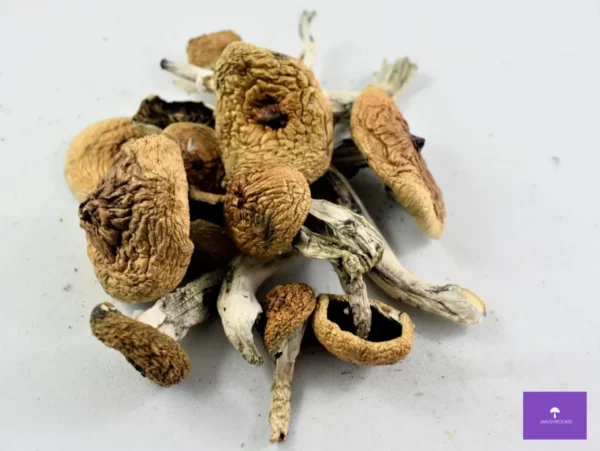
Buy psychedelics online are a class of psychoactive substances that produce profound alterations in perception, mood, and consciousness. This comprehensive guide provides factual, educational information about psychedelics, their history, mechanisms, types, research, risks, and legal status of buy psychedelics online.
What Are Psychedelics?
Definition: Psychedelics are psychoactive compounds that primarily affect serotonin receptors in the brain, producing alterations in:
- Visual and sensory perception
- Thought patterns and cognition
- Emotional states and mood
- Sense of self and identity
- Time perception
- Spiritual or existential experiences
Etymology:
- Psyche: Mind or soul (Greek)
- Delos: Manifesting or revealing (Greek)
- Psychedelic: “Mind-manifesting” or “soul-revealing”
Mechanism of Action:
- Primary Target: Serotonin 2A (5-HT2A) receptors
- Secondary Targets: Multiple serotonin receptors (5-HT1A, 5-HT1D, 5-HT7)
- Effect: Increased neural plasticity and connectivity
- Result: Altered perception and consciousness
- Duration: Effects typically last 4-12 hours depending on substance
Major Classes of Psychedelics
Classical Psychedelics (Serotonergic)
Psilocybin Mushrooms:
- Source: Psilocybe species fungi
- Active Compound: Psilocybin (converted to psilocin in body)
- Onset: 20-60 minutes
- Duration: 4-6 hours
- Potency: 0.3-1.5% psilocybin by dry weight
- Legal Status: Illegal in most jurisdictions; Class A/Schedule I
- Research: Depression, anxiety, PTSD, addiction
LSD (Lysergic Acid Diethylamide):
- Source: Synthetic compound (derived from ergot alkaloids)
- Discovery: Albert Hofmann, 1938
- Onset: 30-90 minutes
- Duration: 8-12 hours
- Potency: Extremely potent (micrograms active)
- Legal Status: Illegal in most jurisdictions; Schedule I
- Research: Limited clinical research; historical significance
Mescaline:
- Source: Peyote cactus, San Pedro cactus
- Active Compound: Mescaline alkaloid
- Onset: 30-90 minutes
- Duration: 8-12 hours
- Potency: 0.4-1.2% mescaline in plant material
- Legal Status: Illegal in most jurisdictions; Schedule I
- Cultural: Sacred in some indigenous traditions
DMT (Dimethyltryptamine):
- Source: Synthetic or plant-derived (Psychotria viridis)
- Onset: Immediate (smoked), 30-45 minutes (oral)
- Duration: 15-30 minutes (smoked), 4-6 hours (oral)
- Potency: Extremely potent
- Legal Status: Illegal in most jurisdictions; Schedule I
- Research: Limited; emerging interest in therapeutic potential
Atypical Psychedelics
MDMA (Ecstasy/Molly):
- Classification: Entactogen (empathogen-psychedelic)
- Mechanism: Serotonin/dopamine/norepinephrine release
- Onset: 30-60 minutes
- Duration: 3-5 hours
- Legal Status: Schedule I; FDA Breakthrough Therapy for PTSD
- Research: PTSD treatment (Phase 3 trials)
Ketamine:
- Classification: Dissociative psychedelic
- Mechanism: NMDA receptor antagonist
- Onset: Immediate (IV), 5-15 minutes (intranasal)
- Duration: 30 minutes to 2 hours
- Legal Status: Schedule III; FDA-approved for anesthesia; esketamine approved for depression
- Research: Treatment-resistant depression, anxiety, PTSD
Ibogaine:
- Source: Iboga plant root bark
- Mechanism: Multiple receptor interactions
- Onset: 30-60 minutes
- Duration: 24-36 hours
- Legal Status: Illegal in most jurisdictions; Schedule I
- Research: Addiction treatment (controversial, limited research)
History of Buy Psychedelics Online
Ancient Use:
- Psilocybin Mushrooms: Used in Mesoamerican rituals for thousands of years
- Mescaline: Sacred in indigenous peyote ceremonies
- DMT: Used in Amazonian ayahuasca ceremonies
- Cultural Significance: Spiritual and healing traditions
20th Century Discovery:
- 1938: Albert Hofmann synthesizes LSD
- 1943: Hofmann’s accidental discovery of LSD’s psychoactive effects
- 1950s-60s: LSD research in psychiatric institutions
- 1960s: Counterculture psychedelic movement
- 1970s: Criminalization and research restrictions
Modern Research Era:
- 1990s-2000s: Renewed scientific interest
- 2006+: Major research institutions conducting clinical trials
- 2020s: FDA Breakthrough Therapy designations
- Current: Rapid expansion of clinical research
Buy Psychedelics Online Effects and Experience
Typical Effects
Perceptual Changes:
- Visual hallucinations (colors, patterns, geometric shapes)
- Enhanced color perception and saturation
- Distortions in size and perspective
- Synesthesia (blending of senses)
- Enhanced auditory perception
- Altered tactile sensations
Cognitive Changes:
- Altered thought patterns and associations
- Enhanced creativity and novel connections
- Philosophical or existential insights
- Time distortion (time seems to slow or speed up)
- Difficulty with linear thinking
- Enhanced pattern recognition
Emotional Changes:
- Emotional openness and vulnerability
- Euphoria or profound joy
- Anxiety or fear (especially in difficult set/setting)
- Emotional intensity
- Sense of connection or unity
- Potential for difficult emotions
Ego and Identity Changes:
- Sense of ego dissolution or loss of self
- Feeling of connection to something larger
- Spiritual or transcendent experiences
- Altered sense of personal identity
- Potential for existential insights
Physical Sensations:
- Increased heart rate and blood pressure
- Dilated pupils
- Nausea or stomach discomfort (especially onset)
- Muscle tension or relaxation
- Changes in appetite
- Sleep disruption
Timeline of Effects
Onset Phase (20-90 minutes):
- Initial physical sensations
- Gradually intensifying perceptual changes
- Increasing emotional openness
- Growing sense of altered consciousness
Come-Up Phase (30-60 minutes):
- Rapid intensification of effects
- Peak anxiety or difficulty often occurs here
- Perceptual distortions become pronounced
- Emotional intensity increases
Peak Phase (2-4 hours):
- Maximum intensity of effects
- Most vivid hallucinations
- Deepest emotional and spiritual experiences
- Most challenging experiences also occur here
Plateau Phase (1-2 hours):
- Sustained peak intensity
- Integration of experiences beginning
- Potential for profound insights
Come-Down Phase (1-3 hours):
- Gradual diminishing of effects
- Return to baseline perception
- Emotional processing
- Physical relaxation
Afterglow (hours to days):
- Lingering sense of well-being or insight
- Mood elevation
- Enhanced creativity
- Integration of experience
Clinical Research and Therapeutic Applications
Current Research Areas
Depression:
- Psilocybin: Treatment-resistant depression (Phase 2/3 trials)
- LSD: Depression research (early stage)
- MDMA: Depression-related conditions
- Mechanism: Neuroplasticity, reduced rumination, emotional processing
- Institutions: Imperial College London, Johns Hopkins, UC Berkeley
Anxiety:
- Psilocybin: End-of-life anxiety in terminal patients
- MDMA: PTSD-related anxiety
- Mechanism: Reduced fear response, emotional processing
- Outcomes: Sustained anxiety reduction
PTSD:
- MDMA: Phase 3 trials (FDA Breakthrough Therapy)
- Psilocybin: Early research
- Mechanism: Trauma processing, reduced fear conditioning
- Timeline: MDMA-assisted therapy potentially available 2024-2025
Addiction:
- Psilocybin: Smoking cessation (high success rates)
- Psilocybin: Alcohol addiction treatment
- LSD: Early addiction research
- Mechanism: Increased neuroplasticity, motivation shift, ego dissolution
Cluster Headaches:
- Psilocybin: Anecdotal reports of effectiveness
- LSD: Limited research
- Mechanism: Unknown; possible neurological effects
Other Conditions:
- OCD: Psilocybin early research
- Eating Disorders: Emerging research
- Existential Distress: End-of-life support
- Grief and Bereavement: Emerging research
Leading Research Institutions
Imperial College London:
- Psilocybin for depression research
- Neuroimaging studies
- Mechanism of action research
- Global leader in psychedelic research
Johns Hopkins University:
- Psilocybin for addiction
- Existential anxiety in terminal patients
- Neuroplasticity research
- Major research center
UC Berkeley:
- Psilocybin research
- Neuroimaging and brain connectivity
- Consciousness studies
NYU Langone Health:
- Psilocybin for end-of-life anxiety
- Clinical trial research
University of Amsterdam:
- Psilocybin research
- European research hub
Clinical Trial Access
How to Find Trials:
- ClinicalTrials.gov: Primary resource for US trials
- University Websites: Imperial College, Johns Hopkins, UC Berkeley
- MAPS: Multidisciplinary Association for Psychedelic Studies
- Local Universities: Check nearby institutions
Eligibility Requirements:
- Specific diagnoses (depression, PTSD, anxiety, addiction)
- Age requirements (typically 18+)
- Medical screening
- Mental health assessment
- Medication compatibility
- No contraindications
What to Expect:
- Medical screening and psychological evaluation
- Preparation sessions with therapists
- Supervised psychedelic experience
- Integration sessions
- Follow-up assessments
- Free participation (research-funded)
Legal Status of Psychedelics
Global Legal Status
Most Jurisdictions:
- Illegal: Classified as controlled substances
- Penalties: Criminal charges for possession, distribution, cultivation
- Severity: Often classified as serious drugs (Class A, Schedule I)
Specific Jurisdictions
United States:
- Federal Status: Schedule I (most psychedelics)
- Exceptions: Ketamine (Schedule III), esketamine (FDA-approved)
- State Variations: Some cities decriminalized psilocybin
- Clinical Access: FDA-approved trials available
United Kingdom:
- Status: Most psychedelics Class A
- Possession: Up to 7 years imprisonment
- Penalties: Serious criminal consequences
- Clinical Access: Limited research trials
Canada:
- Status: Most psychedelics controlled substances
- Exceptions: Ketamine (Schedule III)
- Emerging: Therapeutic access programs developing
- Clinical Access: Research trials available
Portugal:
- Status: Decriminalized all drugs (2001)
- Approach: Public health rather than criminal justice
- Possession: Not criminal; treatment-focused
- Distribution: Still illegal
Netherlands:
- Unique Status: Psilocybin mushrooms technically illegal
- Psilocybin Truffles: Legal gray area
- Practical Tolerance: Some tolerance in certain areas
- Tourism: Known for psychedelic availability
Switzerland:
- Status: Illegal but some tolerance
- Research: Emerging psychedelic research
- Therapy: Emerging therapeutic programs
Policy Evolution
Emerging Changes:
- Decriminalization: Some US cities decriminalizing psilocybin
- Therapeutic Access: Emerging in select jurisdictions
- Research Expansion: Increasing FDA-approved trials
- Public Opinion: Growing acceptance of therapeutic potential
- International Trends: Global shift toward evidence-based policy
Risks and Safety Considerations
Psychological Risks
Difficult Experiences:
- Anxiety or panic during experience
- Overwhelming emotions or trauma surfacing
- Challenging philosophical insights
- Sense of loss of control
- Fear or paranoia
Mental Health Triggering:
- Exacerbation of depression or anxiety
- Triggering of underlying mental health conditions
- Potential for psychotic episodes in vulnerable individuals
- Risk higher for those with personal/family history of psychosis
- Potential for persistent perceptual changes (HPPD – rare)
Contraindications:
- ⚠ Personal or family history of psychosis/schizophrenia
- ⚠ Uncontrolled bipolar disorder
- ⚠ Active suicidal ideation
- ⚠ Severe anxiety disorders
- ⚠ Recent trauma without professional support
Physical Risks
Acute Physical Effects:
- Nausea and vomiting (common, especially onset)
- Increased heart rate and blood pressure
- Impaired coordination and motor control
- Sleep disruption
- Muscle tension
- Potential for seizures (rare, in predisposed individuals)
Drug Interactions:
- SSRIs: Potential serotonin syndrome (though risk low)
- MAOIs: Serious interactions possible
- Antipsychotics: May block psychedelic effects
- Stimulants: Increased cardiovascular effects
- Alcohol: Unpredictable interactions
Legal Risks
Criminal Prosecution:
- Criminal charges for possession
- Imprisonment possible (years in many jurisdictions)
- Criminal record with employment consequences
- Asset seizure possible
- Collateral consequences (housing, travel, professional licensing)
Quality and Safety Risks
Unknown Composition:
- Actual substance may differ from claimed
- Potency unknown and often inaccurate
- Contamination possible
- Adulterants present
- No quality control or testing
Vendor Risks:
- Scams and fraud common
- Law enforcement operations
- Unreliable supply
- Personal safety concerns
Harm Reduction Principles
Pre-Experience Preparation
Health Screening:
- Consult healthcare provider
- Disclose complete medical history
- Disclose complete mental health history
- Verify medication interactions
- Screen for contraindications
- Assess current mental state
Psychological Preparation:
- Research the substance thoroughly
- Understand realistic expectations
- Prepare for difficult experiences
- Develop coping strategies
- Set intentions (if desired)
- Address underlying concerns
Set and Setting:
- Set: Mental and emotional state
- Positive mindset
- Clear intentions
- Emotional stability
- Absence of acute stress
- Setting: Physical and social environment
- Safe, comfortable location
- Familiar surroundings preferred
- Trusted, supportive people present
- No hostile or judgmental individuals
- Adequate space and privacy
- Access to bathroom
- No driving or machinery operation
- Full day available (no obligations)
During Experience
Safety Practices:
- Have sober, experienced guide present
- Avoid driving or operating machinery
- Stay hydrated (drink water)
- Avoid mixing with alcohol or other drugs
- Avoid public spaces if possible
- Have access to emergency services
- Communicate needs and concerns
- Trust the process
Difficult Experience Management:
- Reassurance from guide
- Reminder that effects are temporary
- Breathing exercises and grounding techniques
- Changing environment if helpful
- Music or sensory changes
- Physical comfort (blankets, pillows)
- Professional support if needed
Post-Experience Integration
Immediate Aftercare:
- Rest and recovery time
- Hydration and nutrition
- Gentle physical activity
- Avoid driving for 24 hours
- Emotional support from guide
- Safe transportation home
Integration Process:
- Reflection and journaling
- Discussion with trusted people
- Professional therapy if needed
- Gradual return to normal activities
- Processing insights and experiences
- Connecting experiences to life changes
Long-Term Integration:
- Ongoing reflection
- Lifestyle changes based on insights
- Professional support if needed
- Community connection
- Continued personal growth work
Legal Alternatives and Resources
Professional Mental Health Support
Therapy and Counseling:
- Evidence-based psychotherapy
- Cognitive-behavioral therapy (CBT)
- Psychodynamic therapy
- Trauma-focused therapy
- Available through NHS, private providers, or online
Psychiatric Medication:
- FDA-approved antidepressants
- Anti-anxiety medications
- Mood stabilizers
- Antipsychotics
- Prescribed by psychiatrists
Support Groups:
- Peer support communities
- 12-step programs
- Mental health support groups
- Online communities
- In-person meetings
Clinical Trial Participation
How to Participate:
- Check ClinicalTrials.gov
- Contact research institutions directly
- Assess eligibility
- Complete screening process
- Free participation (research-funded)
- Legal access with medical supervision
Lifestyle Interventions
Evidence-Based Approaches:
- Regular exercise and physical activity
- Meditation and mindfulness practices
- Yoga and somatic practices
- Improved sleep hygiene
- Healthy nutrition
- Social connection and community
- Creative pursuits and hobbies
- Time in nature
- Meaningful work or purpose
Policy Advocacy
Support Organizations:
- MAPS (Multidisciplinary Association for Psychedelic Studies)
- Erowid: Drug information and harm reduction
- DanceSafe: Harm reduction organization
- Drug Policy Alliance: Policy reform advocacy
- Local harm reduction services
FAQ: Buy Psychedelics Online
Q: What are buy psychedelics online? A: Psychedelics are psychoactive substances that produce profound alterations in perception, mood, and consciousness, primarily by affecting serotonin receptors.
Q: How do psychedelics work? A: They primarily act on serotonin 2A (5-HT2A) receptors, increasing neural plasticity and connectivity, leading to altered perception and consciousness.
Q: What are the main types of psychedelics? A: Classical psychedelics (psilocybin, LSD, mescaline, DMT), atypical psychedelics (MDMA, ketamine, ibogaine), and others.
Q: Are psychedelics addictive? A: Classical psychedelics have low addiction potential. Psychological dependence is possible but physical dependence is unlikely.
Q: What is the legal status of psychedelics? A: Most are illegal in most jurisdictions (Class A/Schedule I). Some exceptions exist (ketamine, esketamine). Clinical trials are legal in select locations.
Q: Can psychedelics be used therapeutically? A: Yes. Research shows promise for depression, anxiety, PTSD, and addiction. Limited clinical access available through trials.
Q: What are the risks of psychedelics? A: Psychological distress, mental health triggering, physical effects, drug interactions, legal consequences, and quality/safety risks in illegal markets.
Q: Who should not use psychedelics? A: Those with personal/family history of psychosis, schizophrenia, uncontrolled mental health conditions, pregnancy, or certain medications.
Q: How can I access psilocybin legally? A: Clinical trials (limited), emerging therapeutic programs (select jurisdictions), or decriminalized areas (Portugal, some US cities).
Q: What should I do if interested in buy psychedelic online therapy? A: Research clinical trials, consult healthcare professionals, look for emerging therapeutic programs, or explore legal mental health support.
Important Resources
Mental Health Support:
- SAMHSA National Helpline (US): 1-800-662-4357 (free, confidential, 24/7)
- Crisis Text Line: Text HOME to 741741
- NHS (UK): 111 for mental health support
- International Association for Suicide Prevention:
Research and Information:
- ClinicalTrials.gov: Find clinical trials
- MAPS:
- Erowid: Drug information and harm reduction
- DanceSafe: Harm reduction organization
Harm Reduction:
- Erowid: Educational resource
- DanceSafe: Harm reduction support
- Tripping: Psychedelic harm reduction app
- Local harm reduction services: Available in many areas
Legal Disclaimer
Important Notice:
- Most psychedelics are controlled substances
- Possession and distribution are illegal in most jurisdictions
- Criminal penalties are serious and life-altering
- This information is educational only
- It does not encourage or provide instructions for illegal activity
- Individuals are responsible for understanding and complying with local laws
- Consult legal counsel regarding drug laws
Conclusion
Buy psychedelics online represent a fascinating intersection of neuroscience, psychology, spirituality, and drug policy. While they show genuine therapeutic promise for treating serious mental health conditions, current legal status restricts access in most jurisdictions.