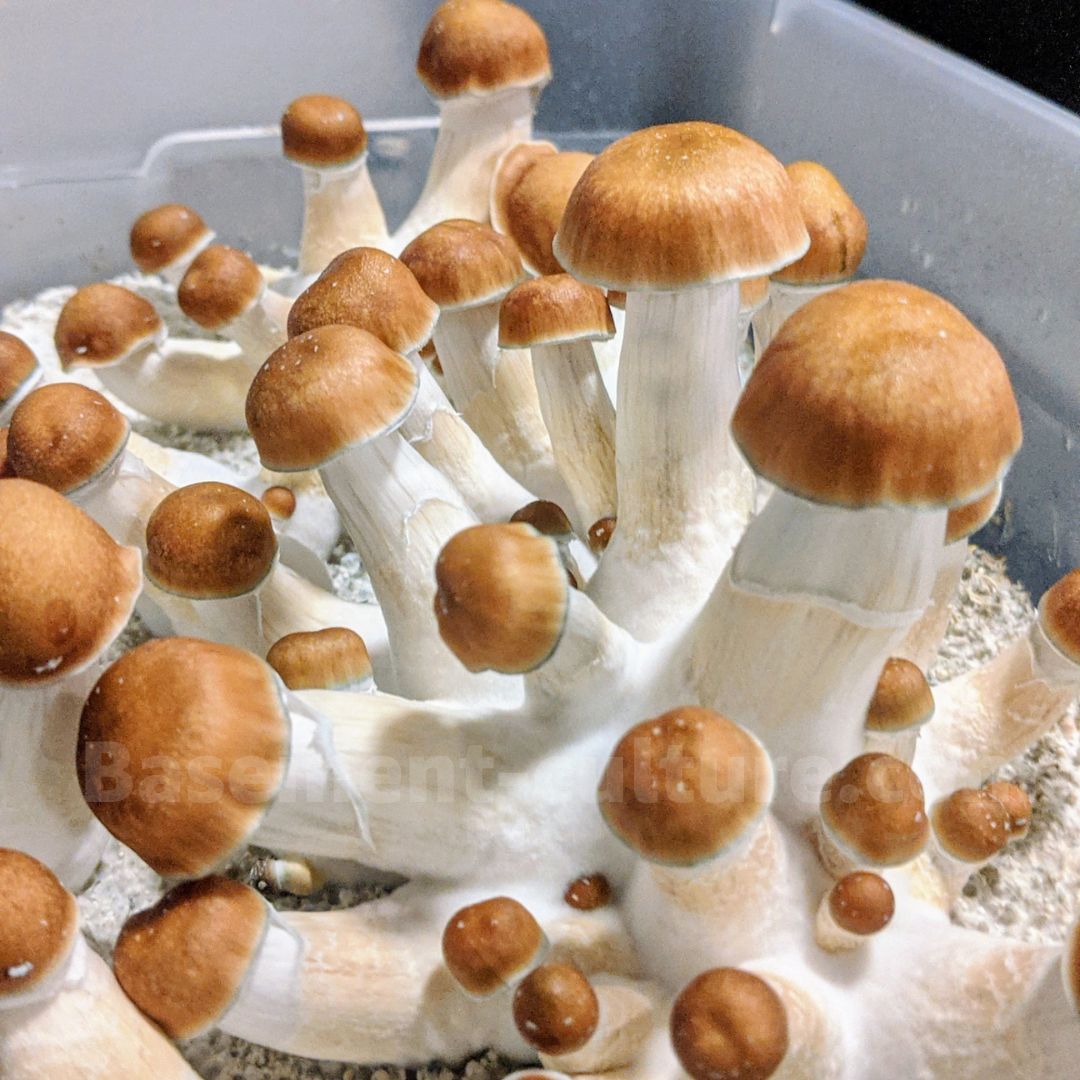
Psilocybin mushrooms seeds, commonly known as magic mushrooms, are renowned for their psychoactive properties. While the mushrooms themselves are illegal in many places, including the UK, the cultivation of these mushrooms often involves the use of spores rather than seeds. This guide provides an overview of psilocybin mushrooms seeds, their legality, and considerations for cultivation.
Understanding Psilocybin Mushroom Spores
1. Spores vs. Seeds
- Spores: Psilocybin mushrooms reproduce via spores, which are microscopic and can be collected from mature mushrooms. Spores are often sold for research purposes and are not considered illegal in many jurisdictions, including the UK, as long as they are not germinated.
- Seeds: Unlike traditional plants, mushrooms do not have seeds. Instead, they propagate through spores.
2. Common Strains
Some popular strains of psilocybin mushrooms include:
- Psilocybe cubensis: The most commonly cultivated strain, known for its moderate potency and ease of cultivation.
- Psilocybe semilanceata: Also known as the liberty cap, often found in the wild and known for its higher potency.
- Psilocybe cyanescens: Recognized for its distinctive wavy cap and strong effects.
Legal Considerations in the UK
1. Legality of Spores
- Spores: In the UK, psilocybin mushroom spores are generally legal to possess and sell, as they do not contain psilocybin or psilocin until germinated. However, germinating the spores to cultivate mushrooms is illegal under the Misuse of Drugs Act 1971.
- Cultivation: Growing psilocybin mushrooms from spores is illegal, and individuals caught cultivating can face serious legal consequences.
2. Research Purposes
Some vendors may sell spores for research purposes, but it is crucial to ensure that they are not intended for cultivation.
Cultivation Considerations
1. Growing Conditions
If you are considering cultivating psilocybin mushrooms (where legal), here are some key factors:
- Substrate: Common substrates include brown rice flour, vermiculite, and straw. Proper sterilization is essential to prevent contamination.
- Temperature and Humidity: Maintaining the right temperature (around 21-27°C) and humidity levels (around 80-90%) is critical for successful growth.
- Light: While mushrooms do not require light for growth, exposure to natural light can help with the development of fruiting bodies.
2. Safety and Ethics
- Legal Risks: Be aware of the legal implications of cultivating psilocybin mushrooms in your area.
- Responsible Use: If you choose to explore psilocybin mushrooms, prioritize safety, and consider the psychological effects and potential risks involved.
Conclusion
While psilocybin mushroom spores can be legally obtained in the UK for research purposes, cultivating these mushrooms is illegal. Understanding the legal landscape and the cultivation process is essential for anyone interested in exploring the world of psilocybin mushrooms. Always prioritize safety and legality when considering cultivation or use.