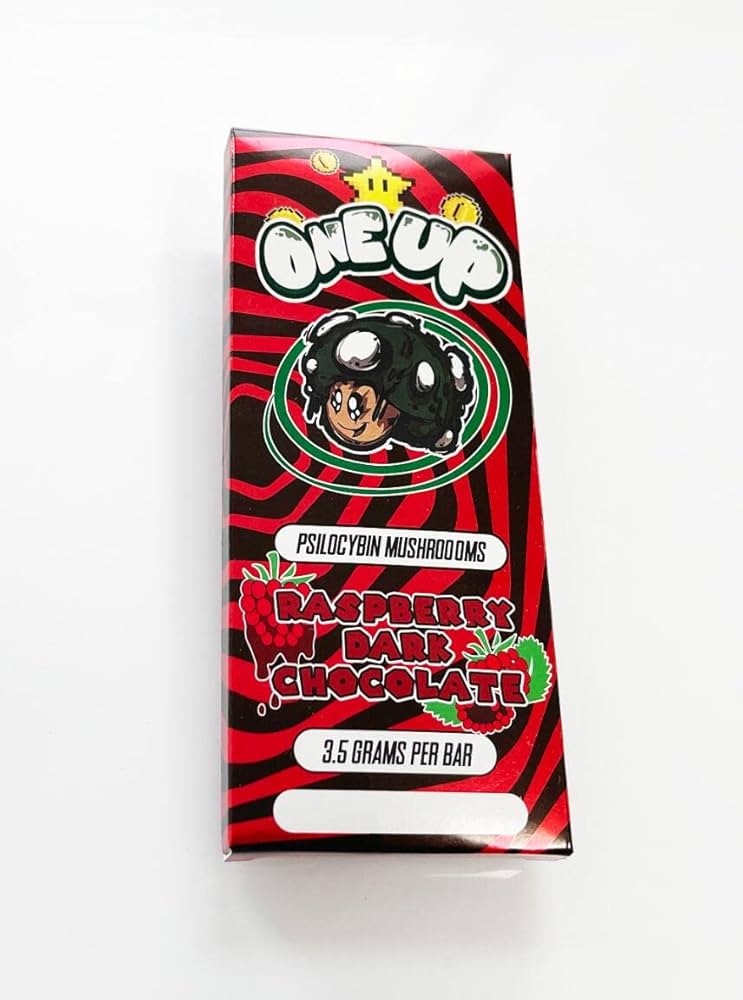
Mushroom microdose near me practices have gained significant attention in recent years as individuals explore subtle approaches to cognitive enhancement, emotional well-being, and personal development. This comprehensive guide covers everything you need to know about microdosing psilocybin mushrooms, including protocols, potential benefits, safety considerations, and legal implications.
What Is a Mushroom Microdose near me?
A mushroom microdose refers to consuming a very small, sub-perceptual dose of psilocybin mushrooms—typically between 0.1 and 0.3 grams of dried mushrooms. The goal is to experience therapeutic benefits without noticeable psychedelic effects, allowing users to maintain normal cognitive function and daily responsibilities.
Key Characteristics of Microdosing
- Sub-Perceptual: Effects are subtle and not overtly noticeable
- Functional: Users can work, socialize, and perform daily tasks normally
- Consistent: Typically involves regular, scheduled doses over weeks or months
- Low Risk: Minimal physical toxicity compared to full psychedelic doses
Popular Mushroom Microdose Protocols
- The Fadiman Protocol:
- Schedule: Dose every 3 days
- Typical Dose: 0.1-0.3 grams of dried psilocybin mushrooms
- Duration: 4-8 weeks, followed by a break
- Purpose: Allows the body to integrate effects and prevent tolerance
- The Stamets Stack:
- Combination: Psilocybin + Lion’s Mane mushroom + Niacin (Vitamin B3)
- Schedule: 4 days on, 3 days off
- Rationale: Designed to enhance neuroplasticity and cognitive function
- Duration: 4-8 weeks minimum
- Daily Microdosing:
- Schedule: Small doses taken daily
- Typical Dose: 0.05-0.1 grams per day
- Consideration: May lead to tolerance; periodic breaks recommended
- Customized Protocols:
- Adjust dosing schedules based on individual response
- Experiment with timing (morning vs. evening)
- Track effects in a detailed journal
Reported Benefits of Mushroom Microdose
Users and researchers have documented various potential benefits:
Cognitive Enhancement:
- Improved focus and concentration
- Enhanced creativity and problem-solving abilities
- Better memory retention
- Increased mental clarity
Emotional Well-Being:
- Reduced anxiety and depression symptoms
- Improved mood stability
- Greater emotional resilience
- Enhanced sense of well-being
Social and Interpersonal:
- Increased empathy and social connection
- Improved communication skills
- Greater openness to new experiences
Productivity and Motivation:
- Enhanced motivation and drive
- Improved work performance
- Better time management
- Increased productivity
Dosage Guidelines for Mushroom Microdose
General Recommendations:
- Beginner Dose: 0.05-0.1 grams of dried mushrooms
- Standard Dose: 0.1-0.3 grams of dried mushrooms
- Higher Dose: 0.3-0.5 grams (approaching threshold effects)
- Adjustment: Increase or decrease based on individual sensitivity
Factors Affecting Dosage:
- Body weight and metabolism
- Individual sensitivity to psilocybin
- Mushroom species and potency
- Previous experience with psychedelics
- Desired intensity of effects
Safety and Harm Reduction for Mushroom Microdose
- Start Low and Go Slow:
- Begin with the lowest possible dose
- Gradually adjust based on personal response
- Allow time between doses to assess effects
- Quality and Identification:
- Ensure accurate mushroom species identification
- Source from reliable, trusted suppliers
- Verify potency if possible
- Health Screening:
- Consult with a healthcare professional before starting
- Disclose any history of mental health conditions
- Avoid if pregnant, nursing, or on certain medications
- Monitor for any adverse reactions
- Set and Setting:
- Maintain a stable, supportive environment
- Avoid stressful situations during microdosing periods
- Keep a detailed journal to track effects and experiences
- Tolerance Management:
- Take regular breaks to prevent tolerance buildup
- Follow structured protocols with off-days
- Monitor for diminishing effects over time
Scientific Research on Mushroom Microdose
While anecdotal reports are promising, scientific evidence is still emerging:
Ongoing Research:
- Studies examining cognitive and emotional effects
- Research on neuroplasticity and brain health
- Clinical trials in jurisdictions where psilocybin is legal
- Investigation of long-term safety and efficacy
Current Findings:
- Some studies suggest potential benefits for mood and creativity
- Evidence for neuroplasticity enhancement is promising
- More rigorous clinical trials are needed
- Research is expanding as legal barriers decrease globally
Mushroom Species for Microdosing
Psilocybe cubensis:
- Most commonly used for microdosing
- Moderate potency and consistent effects
- Widely available
Psilocybe semilanceata (Liberty Caps):
- Highly potent; requires lower doses
- Found naturally in temperate regions
- Requires careful identification
Psilocybe cyanescens:
- Known for high psilocybin content
- Requires lower microdoses
- Less commonly used for microdosing
Legal Considerations for Mushroom Microdose
Important: The legal status of psilocybin varies significantly by jurisdiction:
United Kingdom:
- Psilocybin mushrooms are Class A drugs
- Possession and cultivation are illegal
- No legal dispensaries or vendors
Other Jurisdictions:
- Some regions have decriminalized psilocybin
- Certain areas allow clinical research
- A few places have legalized psilocybin for therapeutic use
- Always check local laws before engaging
Potential Risks and Considerations
- Psychological Effects:
- Individuals with mental health conditions should exercise caution
- Psilocybin can trigger anxiety or introspection
- Not suitable for everyone
- Legal Risks:
- Possession may result in criminal charges in many jurisdictions
- Employment consequences if detected in drug testing
- Legal liability varies by location
- Quality and Purity:
- Unregulated products may contain contaminants
- Dosage accuracy can be inconsistent
- Misidentification of mushroom species is possible
- Tolerance and Dependence:
- Tolerance can develop with frequent use
- Psychological dependence is possible
- Regular breaks are recommended
Tracking Your Mushroom Microdose Experience
Keep a Detailed Journal:
- Date and time of dose
- Dose amount and mushroom species
- Subjective effects and experiences
- Mood, energy, and cognitive changes
- Sleep quality and dreams
- Social interactions and relationships
- Overall well-being and productivity
Benefits of Tracking:
- Identify patterns and optimal dosing schedules
- Monitor for tolerance development
- Assess long-term effects
- Adjust protocols based on data
Alternatives to Mushroom Microdose
If microdosing is not accessible or suitable for you, consider these alternatives:
- Legal Nootropics: Cognitive-enhancing supplements
- Meditation and Mindfulness: Evidence-based mental health practices
- Therapy and Counseling: Professional mental health support
- Exercise and Nutrition: Lifestyle factors supporting well-being
- Sleep Optimization: Prioritizing quality sleep
- Social Connection: Building meaningful relationships
Conclusion
Mushroom microdose near me represents an intriguing approach to cognitive enhancement and emotional well-being, with growing anecdotal support and emerging scientific research. However, it’s essential to understand the legal restrictions in your jurisdiction, prioritize safety through proper identification and dosing, and consult with healthcare professionals before beginning. While psilocybin remains illegal in many places, including the UK, staying informed about ongoing research and legal developments is important. Always approach microdosing with knowledge, responsibility, and respect for local laws.