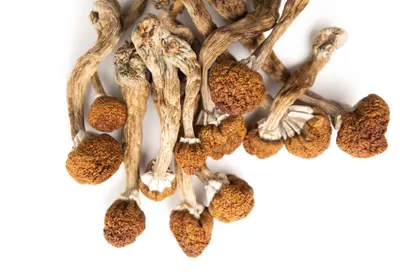
Psilocybe mushroom UK refers to psilocybin-containing mushroom species found in or distributed within the United Kingdom. These psychedelic fungi have a rich history in British culture and continue to generate significant interest among researchers, enthusiasts, and those seeking therapeutic alternatives. This comprehensive guide covers everything you need to know about psilocybe mushrooms in the UK, including native species, cultivation, legal status, effects, safety considerations, and the evolving research landscape.
What Are Psilocybe Mushrooms?
Psilocybe mushroom UK are fungi that contain psychoactive compounds, primarily psilocybin and psilocin. These naturally occurring psychedelics produce profound alterations in consciousness, perception, and mood. Psilocybe species have been used ceremonially and recreationally for centuries and are now the subject of extensive scientific research into their therapeutic potential for mental health conditions.
Psilocybe Species Found in the UK
1. Psilocybe Semilanceata (Liberty Caps):
- Description: Small, conical to bell-shaped caps (5-25 mm) with pointed tips
- Habitat: Grassy fields, meadows, and pastures, particularly near livestock
- Season: Late summer to early winter (August-November)
- Potency: Highly potent; 0.5-1.5 grams typical dose
- Distribution: Found throughout temperate regions of the UK
- Identification: Distinctive pointed cap, wavy margins, blue bruising
- Availability: Most common naturally occurring psilocybe in UK
2. Psilocybe Cubensis (Golden Teacher, Blue Meanie):
- Description: Larger mushrooms with golden-brown caps and sturdy stems
- Habitat: Tropical and subtropical; not native to UK but cultivated indoors
- Potency: Moderate to high; 1-3 grams typical dose
- Cultivation: Popular for home cultivation due to robust growth
- Availability: Primarily through cultivation or importation
- Strains: Multiple varieties including Golden Teacher, Penis Envy, B+
3. Psilocybe Cyanescens (Wavy Caps):
- Description: Caramel to brown caps with wavy margins
- Habitat: Wood chips, mulch, and disturbed areas
- Season: Autumn to early winter
- Potency: Very high; requires lower doses (0.5-1.5 grams)
- Distribution: Found in some UK locations, particularly southern regions
- Rarity: Less common than liberty caps
4. Psilocybe Baeocystis:
- Description: Small, brown caps with distinctive features
- Habitat: Decaying wood and forest floors
- Potency: Moderate to high
- Rarity: Rare in UK; occasionally reported
Psilocybin Content and Potency
Psilocybe Species Potency Comparison:
- Psilocybe semilanceata: 0.5-1.5% psilocybin (highly potent)
- Psilocybe cubensis: 0.5-1.5% psilocybin (moderate to high)
- Psilocybe cyanescens: 0.5-1.5% psilocybin (very high)
- Psilocybe baeocystis: 0.5-1.2% psilocybin (moderate to high)
Factors Affecting Potency:
- Species and strain
- Growing conditions
- Harvest timing
- Environmental factors
- Storage conditions
- Age and degradation
Legal Status of Psilocybe Mushrooms in the UK
Classification and Legislation:
- Legal Status: Psilocybin mushrooms are Class A drugs under the Misuse of Drugs Act 1971
- Possession: Illegal to possess any amount
- Cultivation: Illegal to grow or cultivate
- Distribution: Illegal to sell, supply, or distribute
- Penalties: Criminal charges with potential imprisonment
Specific Legal Implications:
- Possession: Up to 7 years imprisonment and/or unlimited fine
- Supply or Distribution: Up to life imprisonment and/or unlimited fine
- Cultivation: Treated as production; severe penalties apply
- Intent to Supply: Aggravated offense with harsher penalties
- Foraging: Possession is illegal even if foraged from wild
Legal Gray Areas:
- Spores: Technically legal in dormant state, but possession with intent to cultivate is illegal
- Dried vs. Fresh: Both forms are illegal; no distinction in law
- Possession for Personal Use: Still illegal; no decriminalization in UK
Psilocybe Mushroom Effects and Experience
Onset and Duration:
- Onset: 20-60 minutes for raw mushrooms; 30-90 minutes for food/chocolate
- Peak Effects: 2-4 hours
- Total Duration: 4-6 hours
- Afterglow: Lingering effects for several hours
Visual and Sensory Effects:
- Visual hallucinations ranging from subtle to intense
- Color enhancement and saturation
- Pattern recognition and geometric visuals
- Tracers and motion trails
- Auditory distortions or enhancements
- Altered perception of time and space
- Synesthesia (blending of senses)
- Enhanced tactile sensations
Emotional and Psychological Effects:
- Euphoria and mood elevation
- Emotional openness and vulnerability
- Enhanced empathy and compassion
- Profound introspection and self-reflection
- Sense of connectedness and unity consciousness
- Philosophical or existential insights
- Creative inspiration and problem-solving
- Potential for challenging emotions or anxiety
Physical Effects:
- Pupil dilation
- Increased heart rate
- Muscle relaxation or tension
- Possible nausea (particularly with raw mushrooms)
- Changes in appetite
- Increased sweating or chills
- Restlessness or sedation
Dosage Guidelines for Psilocybe Mushrooms UK
Standard Dosage Ranges:
- Threshold Dose: 0.5-1 gram (minimal effects)
- Light Dose: 1-1.5 grams (subtle effects, good for beginners)
- Moderate Dose: 1.5-2.5 grams (full psychedelic experience)
- Strong Dose: 2.5-3.5 grams (intense experience)
- Very Strong Dose: 3.5+ grams (overwhelming for most users)
Factors Affecting Dosage:
- Body weight and metabolism
- Individual sensitivity to psilocybin
- Previous psychedelic experience
- Mushroom species and potency
- Stomach contents (food delays absorption)
- Desired intensity of effects
- Mental and emotional state
Consumption Methods
1. Direct Consumption:
- Eat dried mushrooms whole
- Chew thoroughly for better absorption
- Simple and straightforward
- Typical onset: 20-60 minutes
2. Mushroom Tea:
- Steep dried mushrooms in hot (not boiling) water
- Steep for 10-15 minutes
- Strain and drink
- Often reduces nausea
- Onset: 30-60 minutes
3. Chocolate or Food:
- Mix powdered mushrooms into chocolate or food
- Masks bitter taste
- Slows absorption slightly
- Onset: 30-90 minutes
4. Lemon Tek:
- Grind mushrooms into powder
- Mix with lemon juice
- Let sit for 15-20 minutes
- Consume mixture
- May intensify and shorten duration
5. Capsules:
- Grind dried mushrooms into powder
- Fill empty capsules
- Easy to dose and consume discreetly
- Onset: 30-60 minutes
Psilocybe Mushroom Foraging in the UK
Foraging Basics:
- Season: Late summer to early winter (August-November)
- Habitat: Grassy fields, meadows, and pastures
- Conditions: After rain when soil is moist
- Time: Early morning when mushrooms are most visible
- Best Regions: Throughout UK, particularly southern regions
Identification Requirements:
- Accurate species identification is critical
- Use multiple reliable field guides
- Consult experienced mycologists
- Beware of toxic look-alikes
- Never consume mushrooms you’re unsure about
Safety Considerations:
- Trespassing laws apply to private land
- Obtain permission from landowners
- Be aware of wildlife protection regulations
- Practice sustainable foraging
- Avoid areas treated with pesticides or herbicides
Risks of Foraging:
- Misidentification can be fatal (toxic look-alikes exist)
- Legal consequences for possession
- Environmental damage from over-harvesting
- Physical risks (weather, terrain, wildlife)
Distinguishing Psilocybe Mushrooms from Toxic Look-Alikes
Critical Safety Information:
Toxic Look-Alikes:
- Coprinellus disseminatus: Similar appearance but non-psychoactive
- Mycena species: Small, delicate mushrooms; some toxic
- Parasola species: Resembles liberty caps but lacks psilocybin
- Galerina marginata: Deadly poisonous; similar size and appearance
Key Identification Differences:
- Psilocybe mushrooms have blue bruising when handled
- Distinctive cap shapes vary by species
- Habitat and seasonality aid identification
- Spore prints help distinguish species
- Consult multiple field guides for verification
Cultivation of Psilocybe Mushrooms in the UK
Why Psilocybe Cubensis Is Popular for Cultivation:
- Forgiving Nature: Tolerates suboptimal conditions
- Reliable Fruiting: Consistent mushroom production
- High Yield: Produces abundant mushrooms per flush
- Contamination Resistance: Relatively resistant to mold and bacteria
- Temperature Range: Tolerates wider temperature ranges
- Beginner-Friendly: Ideal for first-time cultivators
- Multiple Flushes: Produces several flushes from single substrate
Basic Cultivation Process:
- Obtain Spores or Culture:
- Source high-quality spores or liquid culture
- Verify vendor reputation and quality
- Store spores in cool, dark location
- Prepare Substrate:
- Use brown rice flour, straw, or specialized mushroom substrate
- Sterilize through pressure cooking or boiling
- Cool completely before inoculation
- Inoculate:
- Inject spore syringe or liquid culture into sterilized substrate
- Maintain sterile conditions during inoculation
- Use proper aseptic technique
- Colonization:
- Incubate at 75-80°F (24-27°C)
- Maintain dark conditions
- Colonization typically takes 2-4 weeks
- Mycelium should fully colonize substrate
- Fruiting:
- Transfer colonized substrate to fruiting chamber
- Maintain temperature 70-75°F (21-24°C)
- Provide indirect light (12-hour light/dark cycle)
- Maintain high humidity (90-95%)
- Provide fresh air exchange
- Mist substrate regularly
- Harvesting:
- Harvest when veils break
- Twist and pull mushrooms at base
- Harvest before spore release
- Dry immediately after harvesting
Legal Consequences of Cultivation:
- Criminal charges for production
- Imprisonment (potentially significant)
- Unlimited fines
- Confiscation of equipment and materials
- Criminal record with employment consequences
Research and Therapeutic Potential
Current Research in the UK:
- Imperial College London: Leading psilocybin research program
- Johns Hopkins University (collaborations): Studying therapeutic applications
- Clinical Trials: Investigating psilocybin for depression, anxiety, and PTSD
- Neuroimaging Studies: Examining brain changes during psilocybin experiences
Therapeutic Applications Being Studied:
- Treatment-resistant depression
- End-of-life anxiety in terminal cancer patients
- PTSD and trauma
- Addiction and substance abuse
- Cluster headaches
- Obsessive-compulsive disorder (OCD)
Research Findings:
- Promising results for depression and anxiety
- Single-dose studies showing long-term benefits
- Enhanced neuroplasticity and brain connectivity
- Therapeutic potential with professional support
- Relatively low toxicity profile
Legal Research Access:
- Limited clinical trials available
- Typically restricted to specific patient populations
- Requires medical supervision and approval
- Not widely accessible to general public
Safety and Harm Reduction for Psilocybe Mushroom UK
1. Set and Setting:
- Consume in a safe, comfortable, familiar environment
- Minimize external stressors and distractions
- Surround yourself with trusted, supportive people
- Avoid driving or operating machinery
- Have a sober, experienced guide present if possible
- Ensure access to water, food, and bathroom facilities
2. Health Screening:
- Consult with a healthcare professional beforehand
- Disclose complete mental health history
- Avoid if you have a personal or family history of psychosis or schizophrenia
- Be cautious if taking medications (especially SSRIs or antipsychotics)
- Avoid if pregnant, nursing, or planning pregnancy
- Exercise extreme caution if you have heart conditions
3. Accurate Identification:
- Use multiple reliable field guides
- Consult experienced mycologists
- Never consume mushrooms you’re unsure about
- Be aware of toxic look-alikes
- Take clear photographs for verification
4. Dosing Safety:
- Start with lower doses than anticipated
- Wait at least 60-90 minutes before assessing effects
- Avoid re-dosing within the same experience
- Keep detailed records of dosage and effects
- Never increase dose without careful consideration
5. Preparation and Integration:
- Eat a light meal 1-2 hours before consumption
- Stay well-hydrated throughout
- Avoid mixing with alcohol or other substances
- Plan for a full day with no obligations
- Reflect on your experience afterward
- Journal about insights and emotions
- Discuss experiences with trusted friends or therapists
Potential Risks and Contraindications
Psychological Risks:
- Intense emotional experiences
- Anxiety or panic in susceptible individuals
- Triggering of underlying mental health conditions
- Difficult or challenging trips
- Potential for psychological dependence
Physical Risks:
- Low physical toxicity but not risk-free
- Possible nausea or gastrointestinal upset
- Increased heart rate (caution for those with heart conditions)
- Potential for accidents due to impaired coordination
- Rare allergic reactions
Legal Risks:
- Criminal charges for possession
- Imprisonment and fines
- Employment consequences
- Educational or professional repercussions
- Social stigma and discrimination
Storage and Preservation
Optimal Storage Conditions:
- Container: Airtight, opaque containers (glass preferred)
- Location: Cool, dark place away from light
- Temperature: 60-70°F (15-21°C) is ideal
- Humidity: Keep away from moisture and humidity
- Light: Protect from direct sunlight
- Duration: Properly stored, can last 6-12 months or longer
Signs of Degradation:
- Visible mold or discoloration
- Musty or off odors
- Loss of potency over time
- Moisture accumulation
FAQ: Psilocybe Mushroom UK
Q: Are psilocybe mushrooms legal in the UK? A: No. Psilocybin mushrooms are Class A drugs under the Misuse of Drugs Act 1971. Possession, cultivation, and distribution are illegal.
Q: What are the penalties for possessing psilocybe mushrooms in the UK? A: Possession can result in up to 7 years imprisonment and/or unlimited fines. Supply or distribution carries up to life imprisonment.
Q: Can you legally grow psilocybe mushrooms in the UK? A: No. Cultivation of psilocybin mushrooms is illegal and treated as drug production with severe penalties.
Q: Are spore syringes legal in the UK? A: Spores themselves are technically legal, but possessing them with intent to cultivate psilocybin mushrooms is illegal.
Q: What’s the most common psilocybe mushroom in the UK? A: Psilocybe semilanceata (liberty caps) is the most common naturally occurring psilocybin mushroom in the UK.
Q: Can you forage psilocybe mushrooms legally in the UK? A: Foraging itself isn’t illegal, but possession of psilocybin mushrooms is. Foraging carries legal risks.
Q: Is there any legal access to psilocybin in the UK? A: Limited access through clinical trials and research programs. Some therapeutic programs are emerging but remain restricted.
Emerging Legal Landscape
Future Developments:
- Ongoing research into therapeutic applications
- Potential for rescheduling or legal therapeutic access
- International trends toward decriminalization
- Growing public and medical support for research
- Possible changes to UK drug policy in coming years
Staying Informed:
- Follow research institutions and clinical trial updates
- Monitor policy developments and legal changes
- Engage with harm reduction organizations
- Support evidence-based drug policy reform
- Participate in clinical research when available
Conclusion
Psilocybe mushroom UK remains illegal under current UK law, classified as Class A drugs with serious criminal penalties for possession, cultivation, or distribution. However, the scientific research landscape is rapidly evolving, with promising therapeutic applications emerging from rigorous clinical studies. While legal access remains limited, staying informed about ongoing research and potential policy changes is important for those interested in psilocybin’s therapeutic potential.