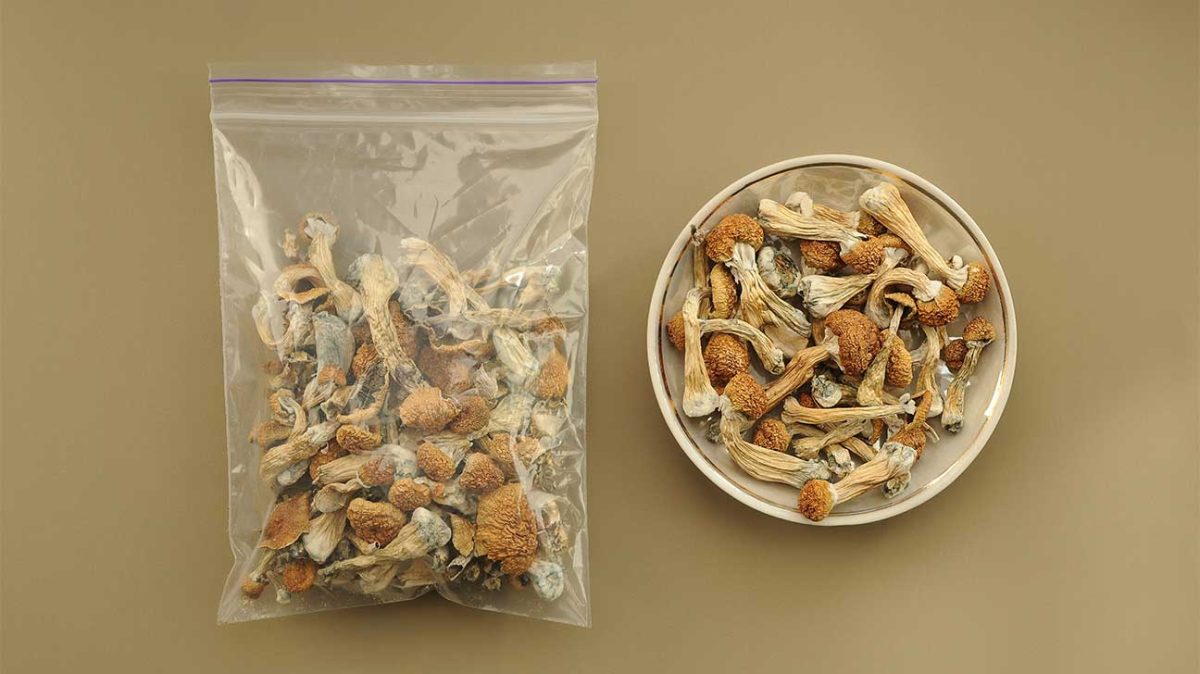
UK liberty caps refers to Psilocybe semilanceata mushrooms found naturally throughout the United Kingdom. Liberty caps are wild psilocybin-containing fungi that grow in grassy fields and meadows across the UK during autumn months. This comprehensive guide covers everything you need to know about UK liberty caps, including identification, distribution, habitat, foraging, legal status, and important legal and safety considerations.
What Are Liberty Caps?
Scientific Name: Psilocybe semilanceata
Common Names:
- Liberty caps
- Magic mushrooms
- Psilocybin mushrooms
- Shrooms
- Caps
- Semilanceata
Characteristics:
- Size: Small mushrooms, 0.5-2 cm diameter caps
- Cap Shape: Bell or cone-shaped, pointed apex
- Color: Pale brown to whitish, darkening when bruised
- Stem: Thin, fragile, bluish tint when bruised
- Gills: Attached to stem, pale brown
- Habitat: Grassy fields, meadows, pastures
- Season: August-November in UK
- Spore Print: Dark purple-brown
Active Compounds:
- Psilocybin: Primary psychoactive alkaloid
- Psilocin: Secondary psychoactive compound
- Potency: 0.5-1.0% psilocybin by dry weight
- Variability: Potency varies by location and conditions
Distribution of Liberty Caps in the UK
Geographic Range:
- Widespread: Found throughout UK
- Scotland: Common in grassy areas
- England: Distributed across regions
- Wales: Present in suitable habitats
- Northern Ireland: Found in appropriate areas
- Coastal Areas: Particularly abundant in some regions
Regional Hotspots:
- South Coast: Sussex, Kent, Hampshire
- Southwest: Devon, Cornwall, Somerset
- Midlands: Various locations
- North: Yorkshire, Lancashire, Cumbria
- Scotland: Widespread distribution
- Wales: Various locations
Habitat Preferences:
- Grassland: Open meadows and fields
- Pastures: Grazing fields for livestock
- Moorland: Upland grassy areas
- Lawns: Well-maintained grass areas
- Roadsides: Grassy verges
- Parks: Public green spaces
- Agricultural Land: Farmed areas
Seasonal Availability in the UK
Growing Season:
- Peak Season: September-October
- Early Season: August (limited availability)
- Late Season: November (declining availability)
- Off-Season: December-July (none available)
- Weather Dependent: Rainfall and temperature affect fruiting
Monthly Breakdown:
August:
- Early fruiting begins
- Limited availability
- Warm, wet conditions trigger fruiting
- Sporadic distribution
September:
- Peak fruiting begins
- Increasing availability
- Optimal conditions
- Wide distribution
October:
- Peak season continues
- Maximum availability
- Best foraging month
- Abundant fruiting
November:
- Declining availability
- Late season fruiting
- Cold weather reduces fruiting
- Sporadic locations
December-July:
- No fruiting
- Mycelium dormant underground
- No foraging possible
Weather Factors:
- Rainfall: Essential for fruiting
- Temperature: 10-15°C optimal
- Humidity: High humidity promotes fruiting
- Frost: Kills fruiting bodies
- Drought: Prevents fruiting
Identification of UK Liberty Caps
Visual Characteristics:
Cap:
- Shape: Bell or cone-shaped with pointed apex
- Size: 0.5-2 cm diameter
- Color: Pale brown to whitish
- Surface: Smooth, slightly sticky when wet
- Bruising: Darkens blue-green when handled
- Margin: Thin, often wavy
Stem:
- Appearance: Thin, fragile, hollow
- Color: Whitish to pale brown
- Bruising: Blue-green discoloration when damaged
- Base: May have white mycelium attached
- Height: 4-8 cm typically
Gills:
- Attachment: Attached to stem
- Color: Pale brown, darkening with age
- Spacing: Close together
- Pattern: Unequal lengths
Spore Print:
- Color: Dark purple-brown
- Appearance: Heavy spore deposit
- Method: Place cap on paper overnight
- Identification: Distinctive dark color
Bruising Reaction:
- Blue-Green Color: Develops within minutes
- Psilocin Oxidation: Chemical reaction to air exposure
- Intensity: Varies by potency and conditions
- Reliability: Key identification characteristic
Toxic Look-Alikes:
Mycena Species:
- Similarity: Similar size and shape
- Difference: No blue bruising
- Habitat: Similar but different gills
- Spore Print: White spore print
- Toxicity: Not poisonous but not psychoactive
Coprinellus Species:
- Similarity: Small, delicate appearance
- Difference: Inky gills, no bruising
- Habitat: Similar locations
- Spore Print: Black spore print
- Toxicity: Not poisonous but not psychoactive
Galerina Species:
- Similarity: Small size
- Difference: No blue bruising
- Habitat: Often on wood
- Toxicity: Highly poisonous; contains amatoxins
- Danger: Can cause severe poisoning
Conocybe Species:
- Similarity: Small, fragile appearance
- Difference: No blue bruising
- Habitat: Similar locations
- Spore Print: Brown spore print
- Toxicity: Not poisonous but not psychoactive
Critical Identification Tips:
- ✓ Blue-green bruising is most reliable indicator
- ✓ Dark purple-brown spore print distinctive
- ✓ Bell-shaped cap with pointed apex
- ✓ Thin, fragile stem
- ✓ Never consume without 100% certainty
- ✓ Consult multiple field guides
- ✓ Verify with experienced foragers
Foraging Liberty Caps in the UK
Foraging Basics:
Equipment Needed:
- Basket or Bag: Breathable container (not plastic)
- Knife: For cutting mushrooms at base
- Field Guide: Reliable identification resource
- Camera: For documentation and verification
- Notebook: For recording location and details
- Gloves: Optional, for handling
- Magnifying Glass: For detailed examination
Foraging Technique:
- Cutting: Cut at base with knife (preserves mycelium)
- Handling: Minimize bruising before spore print
- Collection: Place in breathable container
- Separation: Keep separate from other species
- Documentation: Record location and date
- Verification: Confirm identification before consuming
Best Foraging Locations:
- Public Parks: Open grassland areas
- Meadows: Natural meadows with diverse grasses
- Pastures: Grazing fields (with permission)
- Moorland: Upland grassy areas
- Roadsides: Grassy verges (away from roads)
- Coastal Cliffs: Grassy clifftop areas
- Avoid: Private land without permission
Foraging Ethics:
- ✓ Respect private property
- ✓ Obtain permission from landowners
- ✓ Avoid over-harvesting
- ✓ Leave some mushrooms for reproduction
- ✓ Don’t damage surrounding vegetation
- ✓ Pack out all waste
- ✓ Respect protected areas
Safety Considerations:
- ⚠ Never forage alone
- ⚠ Tell someone your location
- ⚠ Avoid busy roads
- ⚠ Watch for hazards (holes, obstacles)
- ⚠ Be aware of weather changes
- ⚠ Avoid pesticide-treated areas
- ⚠ Watch for aggressive animals
Legal Status of Liberty Caps in the UK
Possession Laws:
- Status: Class A drug under Misuse of Drugs Act 1971
- Possession: Illegal; up to 7 years imprisonment
- Fine: Unlimited fine
- Criminal Record: Permanent record
- Amount: Any amount is illegal
Foraging Legal Status:
- Foraging Activity: Not illegal
- Possession of Foraged Mushrooms: Illegal
- No Distinction: Same penalties as purchased mushrooms
- Timing: Illegal from moment of possession
- Intent: Intent to consume doesn’t matter legally
Specific Offences:
Simple Possession:
- Definition: Having mushrooms in your possession
- Penalty: Up to 7 years imprisonment
- Fine: Unlimited
- Record: Criminal conviction
- Circumstances: Applies to foraged or purchased
Possession with Intent to Supply:
- Definition: Possession suggesting intent to distribute
- Evidence: Scales, bags, cash, communications
- Penalty: Up to life imprisonment
- Sentencing: Typically 3-10+ years
- Aggravating Factors: Increase penalties
Supply or Distribution:
- Definition: Giving mushrooms to others
- Penalty: Up to life imprisonment
- Fine: Unlimited
- Sentencing: Typically substantial prison time
- Aggravating Factors: Prior convictions, vulnerable persons
Cultivation:
- Definition: Growing mushrooms
- Penalty: Up to 14 years imprisonment
- Fine: Unlimited
- Classification: Treated as drug production
- Evidence: Equipment, spores, substrate
Legal Reality:
- Foraging is not illegal, but possession is
- No legal distinction between foraged and purchased
- Same criminal penalties apply
- Possession creates immediate criminal liability
- Enforcement actively targets foragers and users
Enforcement and Prosecution
Police Activity:
- Monitoring: Police aware of foraging season
- Enforcement: Active enforcement during peak season
- Undercover Operations: Possible undercover activity
- Public Spaces: Parks and meadows monitored
- Prosecution: Crown Prosecution Service handles cases
Prosecution Trends:
- Increasing Prosecutions: More cases in recent years
- Sentencing: Varies but can be substantial
- Plea Bargains: Many cases result in guilty pleas
- Conviction Rate: High conviction rate for possession
- Sentencing Guidelines: Increasingly consistent
Recent Cases:
- Multiple prosecutions for possession
- Sentencing ranges from community orders to imprisonment
- Public awareness campaigns during foraging season
- Police warnings about legal consequences
- Media coverage of prosecutions
Potency and Effects of UK Liberty Caps
Psilocybin Content:
- Average: 0.5-1.0% psilocybin by dry weight
- Range: 0.3-1.5% depending on conditions
- Variability: Potency varies by location, season, conditions
- Peak Potency: September-October mushrooms typically more potent
- Testing: Limited testing available; potency unknown
Typical Dosage:
- Light Dose: 0.5-1 gram dried
- Moderate Dose: 1-2 grams dried
- Strong Dose: 2-3 grams dried
- Very Strong: 3+ grams dried
- Fresh Mushrooms: Approximately 10x weight of dried
Effects Profile:
- Onset: 20-60 minutes
- Peak: 2-4 hours
- Duration: 4-6 hours total
- Intensity: Moderate; less potent than some species
- Experience: Euphoria, visual effects, introspection
Variability Factors:
- Location: Growing location affects potency
- Season: Peak season mushrooms more potent
- Weather: Growing conditions influence potency
- Storage: Degradation reduces potency over time
- Individual Sensitivity: Personal factors affect experience
Consumption Methods
Raw Mushrooms:
- Preparation: Eat fresh or dried
- Taste: Earthy, bitter flavor
- Onset: 20-60 minutes
- Duration: 4-6 hours
- Nausea: Common with raw mushrooms
- Advantages: No preparation needed
Mushroom Tea:
- Preparation: Steep in hot water
- Taste: Earthy tea flavor
- Onset: 30-60 minutes
- Duration: 4-6 hours
- Nausea: Reduced compared to raw
- Advantages: Faster onset, less nausea
Lemon Tek:
- Preparation: Soak in lemon juice
- Onset: 15-45 minutes
- Duration: 3-5 hours
- Intensity: More intense peak
- Nausea: Variable
- Advantages: Faster, more intense
Chocolate or Food:
- Preparation: Mix into chocolate or food
- Taste: Masked by chocolate/food
- Onset: 30-90 minutes
- Duration: 4-6 hours
- Nausea: Reduced
- Advantages: Better taste, easier consumption
Safety and Harm Reduction
Health Screening:
- Medical Consultation: Discuss with healthcare provider
- Mental Health History: Disclose psychiatric history
- Medication Interactions: Verify no dangerous combinations
- Pregnancy: Avoid if pregnant or nursing
- Heart Conditions: Exercise caution with cardiac issues
- Family History: Consider genetic predisposition to psychosis
Set and Setting:
- Environment: Safe, comfortable, familiar location
- People: Trusted, supportive individuals present
- Timing: Full day available with no obligations
- Preparation: Mental and emotional readiness
- Contingency: Plan for difficult experiences
Dosage Safety:
- Start Low: Begin with lower doses
- Wait: 90+ minutes before assessing effects
- No Re-dosing: Avoid additional doses same experience
- Testing: Use testing kits if available
- Identification: 100% certain of species
Consumption Safety:
- Accurate Identification: Verify species carefully
- Contamination: Check for mold or contamination
- Potency: Unknown potency; start conservatively
- Mixing: Avoid combining with alcohol or drugs
- Hydration: Drink water throughout experience
- Guide: Have sober, experienced person present
Integration and Support:
- Reflection: Journal about experience
- Discussion: Talk with trusted friends
- Professional Support: Seek therapy if needed
- Community: Connect with harm reduction organizations
- Resources: Access mental health support
Risks and Contraindications
Psychological Risks:
- Difficult Experiences: Challenging or traumatic trips
- Anxiety or Panic: Intense anxiety possible
- Mental Health Triggering: Exacerbation of underlying conditions
- Psychosis Risk: Potential trigger for psychotic episodes
- Flashbacks: Persistent perceptual changes (rare)
Physical Risks:
- Low Physical Toxicity: Not physically toxic
- Nausea and Vomiting: Common side effects
- Increased Heart Rate: Possible cardiovascular effects
- Accidents: Risk due to impaired coordination
- Sleep Disruption: May interfere with sleep
Legal Risks:
- Criminal Prosecution: Serious charges
- Imprisonment: Up to 7 years for possession
- Fines: Unlimited financial penalties
- Criminal Record: Permanent record
- Collateral Consequences: Employment, housing, travel
Contraindications:
- ⚠ Personal history of psychosis or schizophrenia
- ⚠ Family history of psychotic disorders
- ⚠ Pregnancy or nursing
- ⚠ Cardiac conditions
- ⚠ Uncontrolled mental health conditions
- ⚠ Concurrent medications (especially SSRIs, MAOIs)
- ⚠ Substance abuse history
FAQ: UK Liberty Caps
Q: Are liberty caps found in the UK? A: Yes, Psilocybe semilanceata is found throughout the UK in grassy areas, particularly during autumn months (August-November).
Q: When is the best time to find liberty caps in the UK? A: September-October is peak season. August has early fruiting; November has late season. Weather-dependent; requires wet conditions.
Q: Where do liberty caps grow in the UK? A: Grassy fields, meadows, pastures, moorland, parks, and roadsides. Widespread throughout UK; common in many regions.
Q: How do you identify liberty caps? A: Bell-shaped cap with pointed apex, thin fragile stem, blue-green bruising, dark purple-brown spore print. Never consume without 100% certainty.
Q: Is foraging liberty caps legal in the UK? A: Foraging isn’t illegal, but possession of foraged mushrooms is. Same criminal penalties as purchased mushrooms apply.
Q: What are the penalties for possessing liberty caps in the UK? A: Up to 7 years imprisonment and/or unlimited fine for possession. Supply carries up to life imprisonment.
Q: How potent are UK liberty caps? A: Typically 0.5-1.0% psilocybin by dry weight. Potency varies by location, season, and growing conditions.
Q: What’s the difference between liberty caps and other psilocybin species? A: Liberty caps are less potent than species like Penis Envy but more potent than some others. Unique bell-shaped cap distinguishes them.
Q: Are there toxic look-alikes to liberty caps? A: Yes. Galerina species are highly poisonous. Never consume without expert identification. Blue bruising is most reliable indicator.
Q: What should you do if interested in psilocybin therapy? A: Look for clinical trials, consult healthcare professionals, research emerging therapeutic programs, or explore legal mental health support.
Legal Disclaimer
Critical Legal Notice:
- Liberty caps are Class A drugs in the UK
- Possession is illegal regardless of source
- Foraging is not illegal, but possession is
- Criminal penalties are serious and life-altering
- This guide is for educational purposes only
- It does not encourage or provide instructions for illegal activity
- Individuals are responsible for understanding and complying with UK law
- Consult legal counsel regarding drug laws
- Consequences of illegal possession can be severe
Conclusion
UK liberty caps (Psilocybe semilanceata) are wild psilocybin-containing mushrooms found naturally throughout the United Kingdom during autumn months. While foraging for mushrooms is not illegal, possession of liberty caps is a serious criminal offense under UK law, classified as a Class A drug with penalties up to 7 years imprisonment.